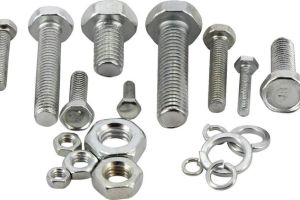
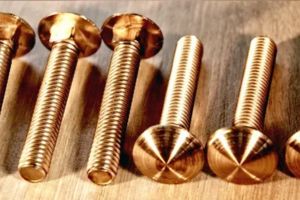
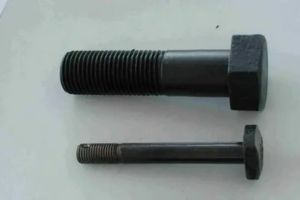
Nickel Alloy 201 Bolts

Home > Nickel Alloy > Nickel Alloy 201 Bolts

Nickel Alloy 201 Bolts Manufacturer & Supplier in Auckland, New Zealand

Nickel 201 Bolts, ASME SB160 Nickel Alloy 201 Bolts Exporter, UNS N02201 Bolts, Alloy 201 Bolts Stockist in Auckland, New Zealand.

Table of Contents

Nickel Alloy 201 Bolts are fasteners manufactured from Nickel Alloy 201, a commercially pure wrought nickel grade recognized for its outstanding resistance to corrosion, especially in reducing environments. These bolts are purpose-built to deliver dependable and long-lasting fastening solutions across a range of industries, such as chemical processing, aerospace, marine, and electronics, where strong corrosion resistance and high strength are critical demands.

Nickel Alloy 201 Bolts Specifications

Grade Nickel 200/201 (UNS N02200 /N02201)
Specifications ASTM B 160/164, ASME SB 160/164
Dimension ASTM, IS, BS and all International Standards
Length 3mm to 200mm
Size M02 to M33 | Custom Sizes
Types Bolts, Nuts, Washers, Anchor Fasteners, Stud Bolts, Eye Bolt, Stud, Threaded Rod, Cotter Pin, Socket Screw, Fine Fasteners & Spares, Foundation Fasteners, Hexagon Castle Nuts, Hexagon Domed Cap Bolts, Hexagon Thin Nuts etc

Mechanical Properties of Nickel Alloy 201 Bolts

Nickel Alloy 201
PropertiesMetricImperial
Tensile strength (annealed)403 MPa58500 psi
Yield strength (annealed)103 MPa14900 psi
Elongation at break (annealed prior to test)50%50%

Nickel Alloy 201 Bolts Chemical Composition

Material / Purity: Alloy 200 Alloy 201
Ni 99.00 99.00
Fe .40 0.40
Mn 0.35 0.35
Si 0.35 0.35
C 0.15 0.02
S 0.01 0.01
Cu 0.25 0.25

Top Nickel Alloy 201 Bolts Manufacturing Company in Auckland

At Koasteel, we take pride in being the largest supplier and manufacturer in the New Zealand, delivering advanced solutions for every one of your piping requirements. With cutting-edge production facilities strategically situated in the New Zealand, we maintain an extensive inventory of more than 25,000 tons of top-quality materials kept ready in stock.

Reach out to us for a fast quote tailored to your requirement.

Ces boulons en alliage de nickel 201 sont proposés conformément aux normes DIN, ISO, JIS ou ANSI.
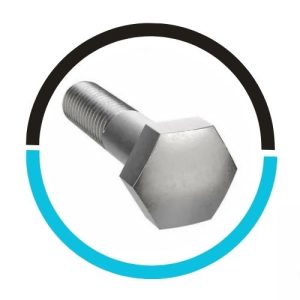
ASTM B160 Nickel Alloy 201 Bolts, Alloy 201 Bolts, Nickel 201 Anchor Bolts, DIN 2.4068 Bolts, Ni UNS N02201 Bolts, Nickel Alloy Bolts Manufacturer in Wellington.

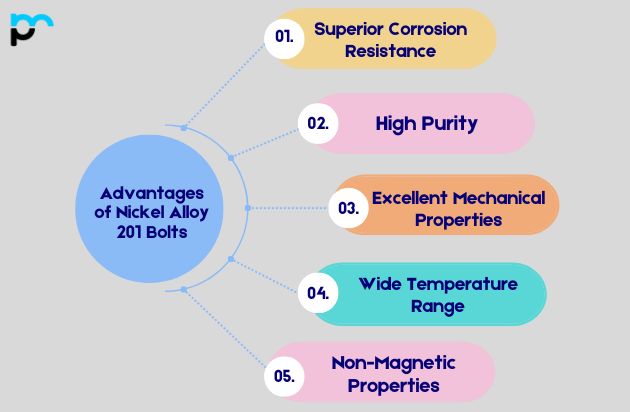
Advantages of Nickel Alloy 201 Bolts

Advantages of Nickel Alloy 201 Bolts
  • Superior Corrosion Resistance: Nickel Alloy 201 Bolts deliver outstanding resistance to corrosion, especially within reducing environments like acids, alkaline solutions, and caustic soda. Even under severe industrial conditions, they remain highly resistant to corrosive attack.
  • High Purity: As a commercially pure wrought nickel alloy, Nickel Alloy 201 Bolts display a high degree of purity, which keeps impurities to a minimum that might otherwise weaken their corrosion resistance and mechanical characteristics.
  • Excellent Mechanical Properties: These bolts feature outstanding mechanical qualities, such as high tensile strength, ductility, and toughness, which makes them well-suited for demanding uses where reliability and durability matter greatly.
  • Wide Temperature Range: Nickel Alloy 201 Bolts retain their mechanical qualities and corrosion resistance across a broad temperature span, ranging from cryogenic levels up to high temperatures, enabling them to function dependably across diverse operating conditions.
  • Non-Magnetic Properties: Thanks to their elevated nickel content, Nickel Alloy 201 Bolts are non-magnetic, which makes them ideal for uses where magnetic interference or attraction is unwanted, such as in electronic devices or MRI machines.

Types of Nickel Alloy 201 Bolts

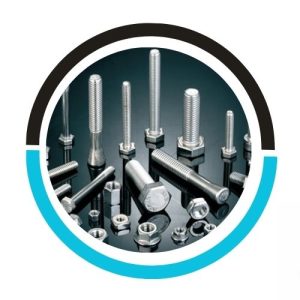
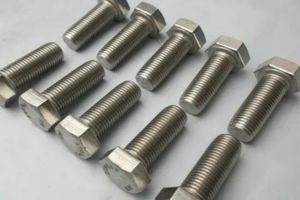
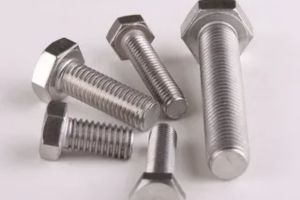
Nickel Alloy 201 Hex Bolts
Nickel Alloy 201 Square Bolt
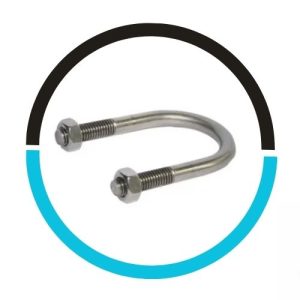
Nickel Alloy 201 U Bolt
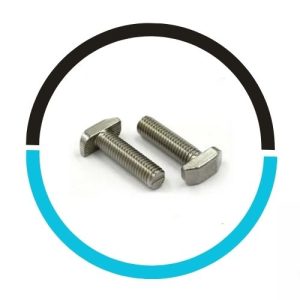
Nickel Alloy 201 T Bolt
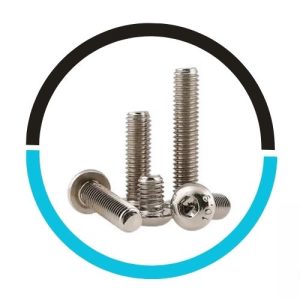
Nickel Alloy 201 Allen Bolts
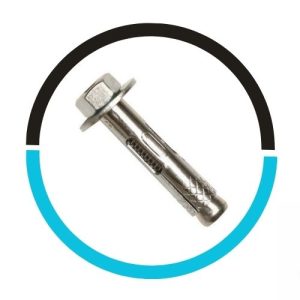
Nickel Alloy 201 Anchor Bolts

Alloy DIN 2.4068 Fasteners, Nickel UNS N02201 Fasteners, JIS NW 2201 Fasteners, Nickel Alloy Round Head Bolts Supplier In Christchurch, New Zealand.

Nickel Alloy 201 Bolts Uses

Application Industry

Nickel Alloy 201 Bolts applications are as varied as the sectors they support, led chiefly by the aerospace, railway, construction and automotive industries along with petrochemical, nuclear, medical, Oil & Gas, Chemical, Pharmaceutical, Food & Beverage, Nuclear, Thermal Power plants, Paper and Pulp, marine and mining, etc.

Oil & Gas Industry

Aviation Industry

Petro Chemical Industry

Power Generation Industry

  • Chemical Processing: Nickel Alloy 201 Bolts are frequently applied in chemical processing industries to secure equipment, vessels, and piping systems that come into contact with corrosive chemicals like acids, alkalis, and salts.
  • Aerospace Applications: These bolts are widely utilized in aerospace applications, such as aircraft engines, airframes, and structural components, where their resistance to corrosion and high strength are essential for maintaining safety and reliability.
  • Marine Environments: Nickel Alloy 201 Bolts are used in marine applications to secure components exposed to seawater and saltwater conditions, such as shipbuilding, offshore platforms, and marine equipment, owing to their outstanding corrosion resistance.
  • Electronics Manufacturing: Within electronics manufacturing, these bolts serve to fasten components and assemblies in cleanroom settings, semiconductor fabrication, and electronic equipment where corrosion resistance and non-magnetic characteristics are vital.
  • Medical Devices: Nickel Alloy 201 Bolts are applied in medical devices and equipment, such as surgical instruments, implants, and diagnostic tools, where their biocompatibility, corrosion resistance, and non-magnetic characteristics offer benefits.

How to Choose the Right Nickel Alloy 201 Bolts

  • Corrosion Resistance: Give preference to bolts offering strong resistance to corrosion, especially in demanding settings like chemical processing plants or marine applications, where contact with corrosive materials frequently occurs.
  • Strength Requirements: Establish the strength the bolts need based on the particular application, weighing aspects like load-bearing capacity, tension, and shear forces.
  • Size and Length: Pick bolts of the right size and length so they fit and work correctly within the application, factoring in the thickness of the materials being joined and any extra components.
  • Thread Type: Opt for the suitable thread type (e.g., coarse thread, fine thread) according to the mating components and the planned use of the bolts, guaranteeing compatibility and simple installation.
  • Surface Finish: Take into account the preferred surface finish of the bolts, such as plain, zinc-plated, or hot-dip galvanized, based on the application needs, aesthetic preferences, and environmental conditions.

Are Nickel Alloy 201 Bolts recyclable?

Yes, Nickel Alloy 201 Bolts can be recycled. As a pure nickel alloy, Nickel Alloy 201 is completely recyclable via a range of metal recycling processes. Recycling aids in preserving natural resources, cuts down on energy usage, and lessens environmental impact by keeping scrap materials out of landfills. Moreover, recycling Nickel Alloy 201 Bolts can promote the sustainable use of materials and back circular economy principles within the manufacturing and construction industries.

FAQ (Frequently Asked Questions)

Can Nickel Alloy 201 Bolts attract magnet?

No, Nickel Alloy 201 Bolts generally will not be drawn to magnets. Owing to its high nickel content and particular crystal structure, Nickel Alloy 201 is a non-magnetic material. Consequently, Nickel Alloy 201 Bolts display non-magnetic characteristics, which makes them appropriate for uses where magnetic attraction or interference is unwanted, such as in electronic equipment or settings where magnetic materials could create problems.

Can Nickel Alloy 201 Bolts be used for underground applications?

Yes, Nickel Alloy 201 Bolts may be well-suited for underground use, especially in settings where resistance to corrosion is critical. Nickel Alloy 201 provides outstanding corrosion resistance, even under demanding conditions like those encountered underground. This makes it a fitting option for fasteners in uses such as underground infrastructure, tunnels, pipelines, and mining operations where contact with corrosive materials in soil or water might happen. That said, particular factors tied to the underground setting, like soil makeup and moisture content, ought to be considered when making the selection.

Can Nickel Alloy 201 Bolts Nickel Alloy Bolts be used for structural applications?

Nickel Alloy 201 Boltsare typically unsuitable for structural applications because their mechanical strength is lower than that of structural steel or other alloys engineered for structural use. Although they deliver outstanding corrosion resistance, they might not offer the tensile strength and load-bearing capacity that structural components demand in construction and engineering projects. When choosing materials for structural applications, it’s wise to seek advice from structural engineers and follow industry standards to guarantee safety and regulatory compliance.

Other Bolts Material

Post Enquiry

Fill out the form below, and we will be in touch shortly.