




Nickel Alloy Flanges

Home >Nickel Alloy > Nickel Alloy Flanges

Nickel Alloy Flanges Manufacturer, Exporter and Supplier in Auckland, New Zealand

Leading Manufacturer Of Nickel Alloy Pipe Flanges, Alloy Flanges Supplier in Auckland, Nickel Alloy Flanges, Alloy Pipe Flanges, And Nickel Alloy Slip On Flanges, Nickel Alloy BLRF Flanges, Alloy Spectacle Flanges Exporter in Christchurch, New Zealand.

Table of Contents

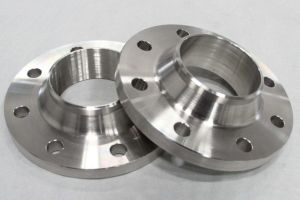
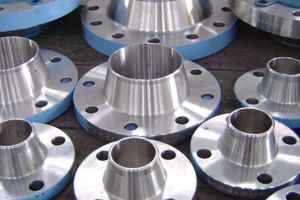
Nickel alloy flangesare components utilized in piping systems where nickel-based alloys are favored for their outstanding corrosion resistance, elevated-temperature strength, and remarkable mechanical properties. These flanges see frequent use in chemical processing, petrochemical, oil and gas, power generation, aerospace, and marine applications where withstanding corrosive environments and high temperatures is critical.

Nickel Alloy Flanges Specifications

DimensionsASTM B564 / B182
GradesNickel Alloy
Size1/8″ NB TO 48″ NB.
Class150#, 300#, 400#, 600#, 900#, 1500#, 2500#, 3000#. Also as per the National & International Standard.
StandardSORF, SOFF, SOLJ, SWFF, WNRF, WNFF, WNRTJ, LWNRF, BLRF, BLFF, BLRTJ, SWRF, LAP Joint, Threaded, Reducing, Spectacle, Orifice & Studding Outlet are manufactured according to ANSI B 16.5, B 16.47 Series A (MSS SP-44), B 16.47 Series B (API 605), MSS SP-43, DIN 2527, DIN 2566, DIN 2576, DIN 2632, DIN 2633, DIN 2634, DIN 2635, DIN 2642, BS 10, IS 1538 & IS 6392, etc
Types of FlangesWeld neck Flanges (WNRF), Slip-on Flanges (SORF), Blind Flanges (BLRF), Lap Joint Flanges, (SOLJ), Socket-weld Flanges (SWRF), Screwed (Threaded) Flanges, Long weld neck Flanges (LWNRF), Spectacle Blind Flanges, Spacer & Blind Flanges, Ring Type Joint Flanges (RTJ), Reducing Flanges, Raised Face (RF) Flanges, Orifice Flanges, Deck Flange, Large Diameter Flanges, Custom Flanges, Drawing Flanges, Forged Flanges, Plate Flanges, Flat Face Flanges, etc.
FormSlip-On Flange (SO), Blind Flange (BL), Lap Joint Flange (LF), Socketweld Flange (SW), Weld Neck Flange (WN), Long Weld Neck Flange (LWN), Ring Type Joint (RTJ), Threaded Flange, Customized Flange with Raised Face (RF), Flat Face (FF).

Nickel Alloy Flanges Chemical Composition

C Mn Si S Cu Fe Ni
Nickel  0.15 max 0.35 max 0.35 max 0.01 max 0.25 max 0.40 max 99.0 min

Nickel Flanges Manufacturers in Auckland, ANSI B16.5 Nickel Alloy Flanges, ASTM B564 Nickel Flanges, Nickel Slip On Flange in Auckland, Global Exporter of Nickel Flanges, Nickel Alloy Flanges Supplier in Christchurch, New Zealand.

Nickel Alloy Flanges Mechanical Properties

Element Density Melting Point Tensile Strength Yield Strength (0.2%Offset) Elongation
Nickel Alloys 8.9 g/cm3 1446 °C (2635 °F) Psi – 67000 , MPa – 462 Psi – 21500 , MPa – 148 45 %

Top Nickel Alloy Flanges Manufacturing Company in Auckland

At Koasteel, we take great pride in being the largest supplier and manufacturer in the New Zealand, delivering advanced solutions for every one of your piping requirements. With cutting-edge manufacturing facilities strategically situated in the New Zealand, we maintain an extensive inventory of more than 25,000 tons of top-quality materials kept ready in stock.

Nickel Alloy Flanges Grades

Reach out to us for a fast quote tailored to your requirement.

We supply these Nickel Alloy Flanges in accordance with DIN, ISO, JIS or ANSI Standard.
Nickel Alloy Flanges Manufacturer in New Zealand, Nickel Alloy Flanges Stockist in Auckland, Dealer of Nickel Alloy Flanges in Wellington

Advantages of Nickel Alloy Flanges

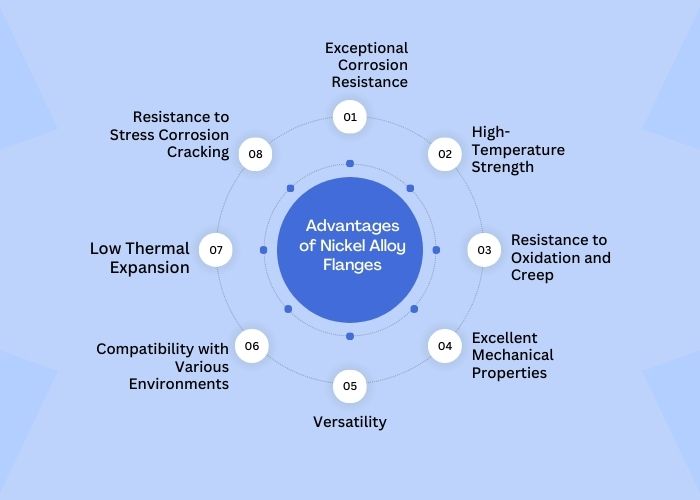
Advantages of Nickel Alloy Flanges
  1. Exceptional Corrosion Resistance: Nickel alloy flanges deliver outstanding protection against corrosion across a range of aggressive settings, such as acids, alkalis, seawater, and demanding chemical processing conditions.
  2. High-Temperature Strength: They retain excellent mechanical characteristics and strength when exposed to high temperatures, which makes them well-suited for uses involving hot fluids or gases.
  3. Resistance to Oxidation and Creep: Nickel alloy flanges show resistance to oxidation and creep deformation under high temperatures, guaranteeing lasting performance in high-temperature uses.
  4. Excellent Mechanical Properties: They have outstanding mechanical qualities like high tensile strength, toughness, and flexibility, delivering dependability and durability under tough operating conditions.
  5. Versatility: Nickel alloy flanges are adaptable and can serve across numerous industries and applications, such as chemical processing, petrochemicals, oil and gas, power generation, aerospace, and marine.
  6. Compatibility with Various Environments: They work well with many aggressive environments, including acidic, alkaline, and corrosive atmospheres, which makes them fitting for varied application needs.
  7. Low Thermal Expansion: Nickel alloys feature a low coefficient of thermal expansion, reducing dimensional shifts and stress accumulation during temperature swings, thereby ensuring dimensional stability within piping systems.
  8. Resistance to Stress Corrosion Cracking: They demonstrate resistance to stress corrosion cracking, a frequent problem in chloride-rich settings, offering dependability and longevity in critical applications.

Types of Nickel Alloy Flanges

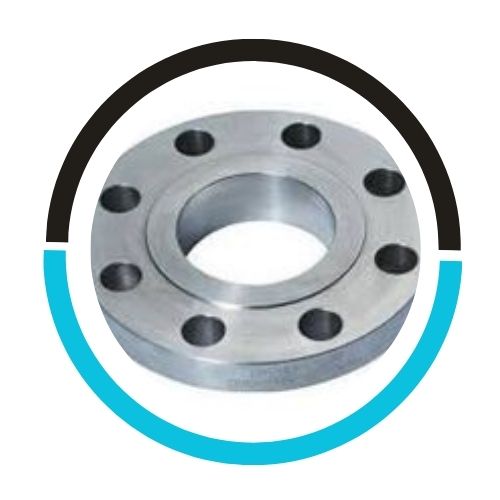
Slip-On-Flanges in New Zealand
Nickel Alloy Slip-On Flanges
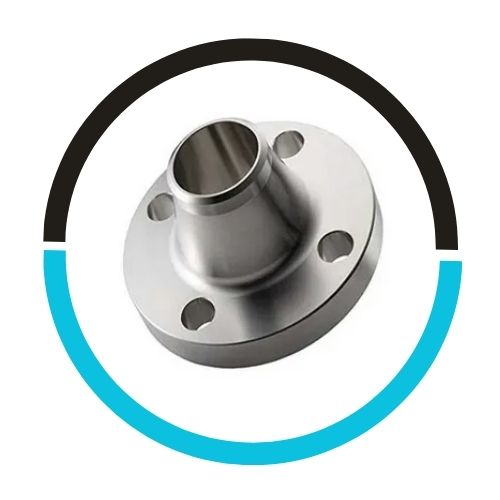
Weld-Neck-Flanges in New Zealand
Nickel Alloy Weld Neck Flanges
Blind-Flanges in New Zealand
Nickel Alloy Blind Flanges
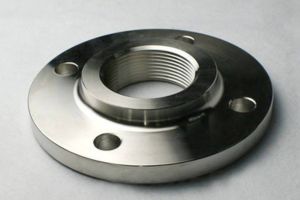
Threaded-Flanges in New Zealand
Nickel Alloy Threaded Flanges
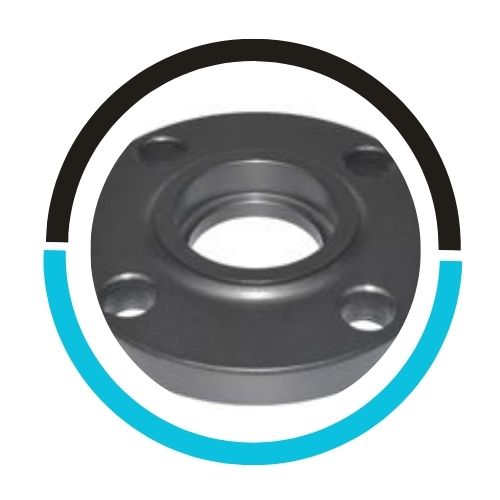
Socket-Weld-Flanges in New Zealand
Nickel Alloy Socket Weld Flanges
Lap-Joint-Flanges in New Zealand
Nickel Alloy Lap Joint Flanges

Nickel SORF Flanges Price List, Nickel Alloy BLRF Flanges Manufacturer in Christchurch, Nickel SWRF Flanges Dealer in Wellington, Nickel Spectacle Blind Flanges Stockist in New Zealand

Nickel Alloy Flanges Uses

Application Industry

Nickel alloy flanges are extensively used across numerous industries thanks to their outstanding corrosion resistance, strength at high temperatures, and excellent mechanical properties. Typically seen in chemical processing plants, petrochemical refineries, oil and gas exploration facilities, power generation plants, aerospace applications, and marine environments, these flanges link pipes, valves, and equipment under challenging operating conditions.

Chemical Processing

Oil and Gas Exploration

Petro Chemical Industry

Power Generation Industry

  1. Chemical Processing: Nickel alloy flanges are widely employed in chemical processing plants to manage corrosive chemicals, acids, and solvents, guaranteeing dependability and durability in demanding conditions.
  2. Petrochemical Industry: They are used in petrochemical refineries and processing facilities to join piping systems and equipment subjected to aggressive fluids and elevated temperatures.
  3. Oil and Gas Exploration: Nickel alloy flanges serve in oil and gas exploration and production facilities across offshore platforms, pipelines, and refining operations, where resistance to corrosion and strength at high temperatures are vital.
  4. Power Generation: They are used in power generation plants, such as thermal power plants, nuclear power plants, and renewable energy facilities, for steam piping systems, turbine connections, and heat exchangers where high temperatures and pressures occur.
  5. Aerospace Applications: Nickel alloy flanges are applied in the aerospace sector for aircraft engines, structural components, and hydraulic systems, where lightweight materials offering high-temperature strength and corrosion resistance are needed.
  6. Marine Industry: They are used in the marine industry for shipbuilding, offshore platforms, and port facilities, where resistance to seawater corrosion and strong mechanical properties are essential.
  7. Corrosive Environments: Nickel alloy flanges are used across various sectors including pulp and paper, wastewater treatment, and mining, where contact with corrosive environments such as acids, alkalis, and chlorides is common.
  8. High-Temperature Applications: They are applied in industries such as metallurgy, glass manufacturing, and ceramics production, where high-temperature processes demand materials with outstanding thermal stability and strength.
  9. Hydrogen and Chemical Processing: Nickel alloy flanges are used in hydrogen production plants, chemical processing, and refinery operations involving hydrogen sulfide (H2S) and other corrosive gases, where resistance to hydrogen embrittlement and sulfide stress cracking is vital.
  10. High-Purity Environments: They are applied in semiconductor manufacturing, pharmaceuticals, and biotechnology, where high-purity materials and corrosion resistance are essential for preserving product integrity and quality.

How to Choose the Right Nickel Alloy Flanges

  1. Select the Right Alloy Grade: Select the suitable nickel alloy grade according to the particular demands of your application, taking into account aspects like corrosion resistance, strength at high temperatures, mechanical characteristics, and compatibility with the fluid or surroundings.
  2. Verify Flange Specifications: Confirm that the chosen nickel alloy flanges satisfy the necessary specifications and standards for your application, covering size, dimensions, pressure ratings, face type (e.g., raised face or flat face), and flange type (e.g., weld neck, slip-on, socket weld).
  3. Inspect Flanges for Defects: Prior to installation, examine the nickel alloy flanges for any defects, damage, or irregularities, such as cracks, pits, or surface flaws that could impact performance or integrity.
  4. Prepare the Piping System: The piping system is cleaned, and the pipe ends are deburred to guarantee a proper fit and alignment with the flanges. Eliminate contaminants, dirt, or debris that could compromise the sealing surface.
  5. Install Gaskets: Position suitable gaskets between the mating surfaces of the flanges to form a leak-tight seal. Select gasket materials that are compatible with the application’s fluid, temperature, and pressure conditions.
  6. Align Flanges: Carefully align the flanges and pipe ends to ensure correct alignment and engagement of the bolt holes. Employ alignment tools or jigs if needed to achieve precise alignment and avoid misalignment.
  7. Install Bolts and Nuts: Pass bolts through the bolt holes of the flanges and tighten the nuts evenly and gradually in a crisscross pattern to apply uniform pressure and form a tight seal. Adhere to the recommended torque values specified for the flange and gasket materials.
  8. Check Alignment and Tightness: Once installed, verify the alignment of the flanges and bolts to confirm they are properly aligned and tightened. Ensure that the gaskets are seated correctly and that there are no visible leaks or gaps.
  9. Perform Pressure Test: Perform a pressure test on the piping system to confirm the integrity and leak-tightness of the nickel alloy flanges under operating conditions. Adhere to industry-standard procedures and safety protocols for pressure testing.
  10. Monitor Performance: Routinely monitor the performance of the nickel alloy flanges and inspect for any indications of leakage, corrosion, or damage. Apply preventive maintenance measures to maintain the ongoing reliability and integrity of the piping system.

What Types of Nickel Alloys are Used for Flanges?

Nickel alloys frequently chosen for flanges include Inconel, Monel, Hastelloy, Nickel 200/201, Alloy 20, Alloy 625, Alloy 825, and Alloy 400, with each providing particular characteristics matched to varying application needs.

Nickel Alloy Threaded Flanges Dealer in Auckland, Nickel Alloy Weld Neck Flanges Supplier in New Zealand, Nickel Alloy Blind Flanges Manufacturer in Christchurch

FAQ (Frequently Asked Questions)

What are the Different Types of Nickel Alloy Flanges?

Nickel alloy flangescome in a range of styles including weld neck, slip-on, socket weld, threaded, lap joint, blind, and spectacle blind flanges, each appropriate for particular installation methods and conditions.

Are Nickel Alloy Flanges Weldable?

Nickel alloy flanges can indeed be welded easily with standard welding methods like TIG (GTAW), MIG (GMAW), and SMAW (Stick), as long as the correct welding procedures and filler materials are applied to preserve the alloy’s integrity.

What Factors Should be Considered When Selecting Nickel Alloy Flanges?

Considerations when choosing nickel alloy flanges include the demands of the application, choosing the right material grade, the type of flange, dimensions and sizing, resistance to corrosion, ratings for pressure and temperature, standards and quality, the reputation of the manufacturer, and cost factors.

Nickel Alloy Flanges Weight Chart

Flange Weights by Pressure Class and Size
Pipe Size 150 # 300 # 600 # 900 # 1500 # 2500 #
WN SO BLD WN SO BLD WN SO BLD WN SO BLD WN SO BLD WN SO BLD
1/2″ 2 1 1 2 1 1 2 2 2 SEE 1500 # WEIGHTS 5 4 4 7 7 7
3/4″ 2 2 2 3 3 3 4 3 3 SEE 1500 # WEIGHTS 6 5 6 8 8 8
1″ 3 2 2 4 3 3 4 4 4 SEE 1500 # WEIGHTS 9 8 8 12 11 11
1 1/2″ 4 3 3 7 6 6 8 7 8 SEE 1500 # WEIGHTS 13 12 13 25 22 23
2″ 6 5 5 9 7 8 12 9 10 SEE 1500 # WEIGHTS 25 25 25 42 37 39
2 1/2″ 8 7 7 12 10 12 18 13 15 SEE 1500 # WEIGHTS 36 36 35 52 55 56
3″ 10 8 9 15 13 16 23 16 20 31 26 29 48 48 48 94 83 86
4″ 15 13 17 25 22 27 42 37 41 53 53 54 73 73 73 145 125 130
5″ 19 15 20 32 28 35 68 63 68 86 83 87 130 130 140 245 210 225
6″ 24 19 26 42 39 50 81 80 86 110 110 115 165 165 160 380 325 345
8″ 39 30 45 67 58 81 120 115 140 175 170 200 275 260 300 580 485 530
10″ 52 43 70 91 81 124 190 170 230 260 245 290 455 435 510 1075 930 1025
12″ 80 64 110 140 115 185 225 200 295 325 325 415 690 580 690 1525 1100 1300
14″ 110 90 140 180 165 250 280 230 355 400 400 520 940 NA 975 NA NA NA
16″ 140 98 180 250 190 295 390 330 495 495 425 600 1250 NA 1300 NA NA NA
18″ 150 130 220 320 250 395 475 400 630 680 600 850 1625 NA 1750 NA NA NA
20″ 180 165 285 400 315 505 590 510 810 830 730 1075 2050 NA 2225 NA NA NA
22″ 225 185 355 465 370 640 720 590 1000 NA NA NA NA NA NA NA NA NA
24″ 260 220 430 580 475 790 830 730 1250 1500 1400 2025 3325 NA 3625 NA NA NA

Post Enquiry

Fill out the form below, and we will be in touch shortly.