
Home > Stainless Steel > Stainless Steel 443 Pipe
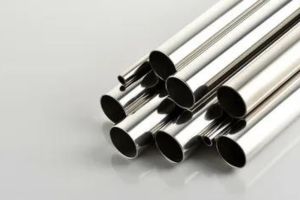
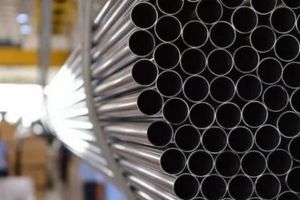
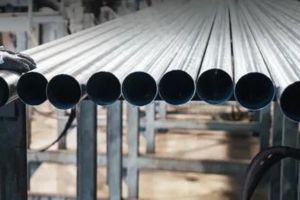
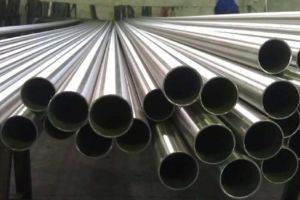
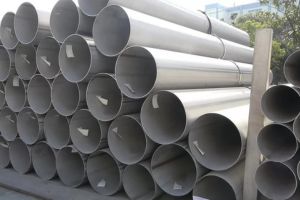
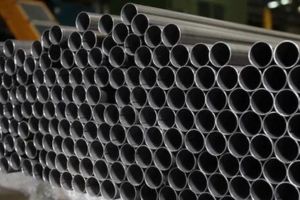
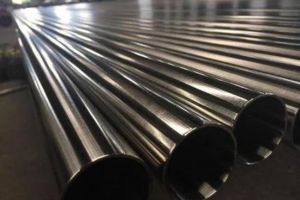
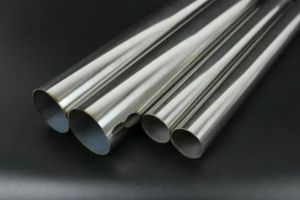
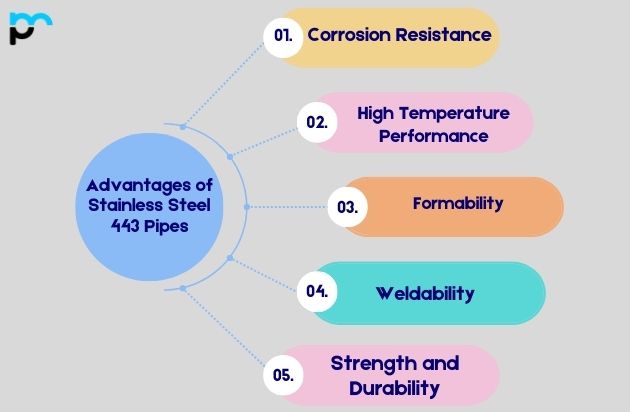
Stainless Steel 443 Pipesare a variety of ferritic stainless steel alloy composed of chromium, titanium, and niobium. This alloy provides solid corrosion resistance in moderately corrosive settings and features outstanding formability and weldability characteristics. Stainless steel 443 pipes are frequently employed in automotive exhaust systems, heat exchangers, and decorative uses owing to their corrosion resistance, high-temperature capability, and visual appeal.
| Item | Stainless Steel 443 sheet (Hot rolled, Cold rolled) |
| Thickness | 0.3~10.0mm |
| Width | 1000mm, 1219mm, 1500mm, 1800mm, 2000mm, 2500mm, 3000mm, 3500mm, etc |
| Length | 2000mm, 2440mm, 3000mm, 5800mm, 6000mm, etc |
| Standard | JIS, AISI, ASTM, GB, DIN, EN, etc |
| Surface | 2B, 2D, BA, NO.1, NO.4, NO.8, 8K, mirror, checkered, embossed, hair line, sand blast, Brush, etching, etc |
| Package | Shrink-wrapped, Carton boxes, Wooden pallets, Wooden boxes, Wooden crates Etc. |
| Edge | Mill Edge Slit Edge |
| Export to | India, Indonesia, Malaysia, Singapore, Saudi Arabia, Qatar, New Zealand, Iran, Iraq, South Africa, Nigeria, Kenya, Italy, UK, Brazil, Russia, Egypt, Kuwait, Taiwan, Australia. |
| Element | C | Si | Mn | P | S | Cr | Mo | Ni |
| % | 0.03 | 1 | 2 | 0.045 | 0.03 | 16-18 | 2-3 | 10-14 |
|
Properties |
Conditions | ||
| T (°C) | Treatment | ||
| Density (×1000 kg/m3) | 7.7-8.03 | 25 | |
| Poisson’s Ratio | 0.27-0.30 | 25 | |
| Elastic Modulus (GPa) | 190-210 | 25 | |
| Tensile Strength (Mpa) | 1158 |
25 |
oil quenched, fine grained, tempered at 425°C |
| Yield Strength (Mpa) | 1034 | ||
| Elongation (%) | 15 | ||
| Reduction in Area (%) | 53 | ||
| Hardness (HB) | 335 | 25 | oil quenched, fine grained, tempered at 425°C |
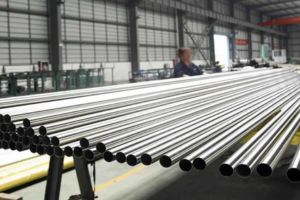
At Koasteel, we’re proud to be the largest supplier and manufacturer in the New Zealand, delivering advanced solutions for every one of your piping requirements. With modern production facilities strategically situated in the New Zealand, we maintain an extensive inventory of more than 25,000 tons of top-quality materials kept in stock and ready to ship.
Reach out to us for a fast quote tailored to your requirement.
We supply these Stainless Steel 443 Pipes in accordance with DIN, ISO, JIS or ANSI Standard.
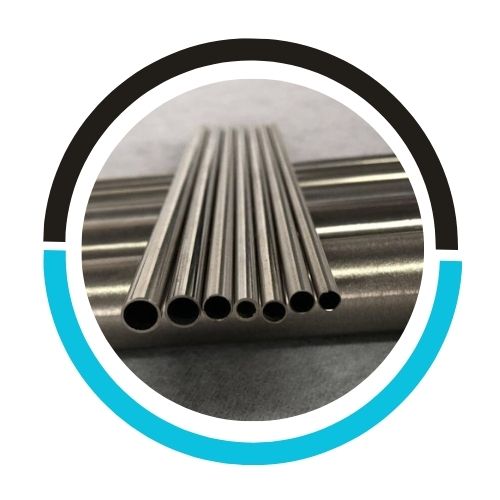
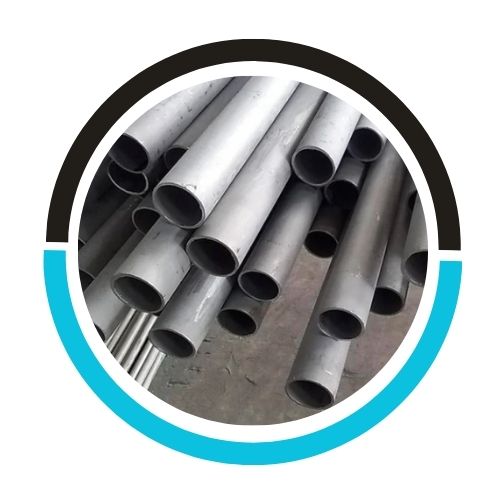
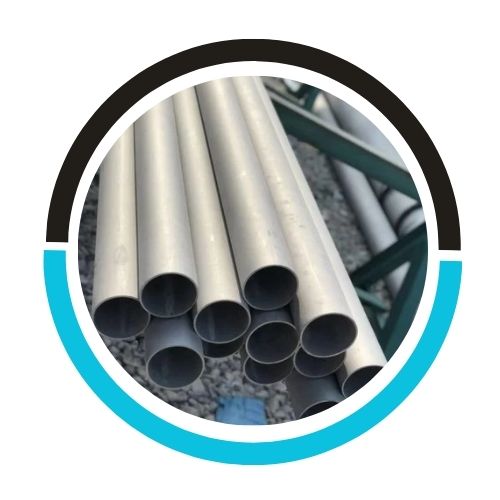
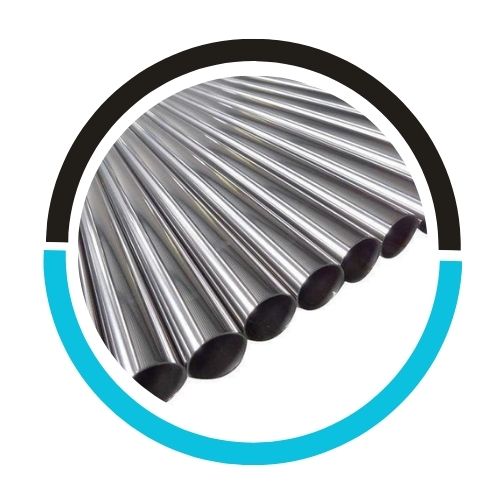
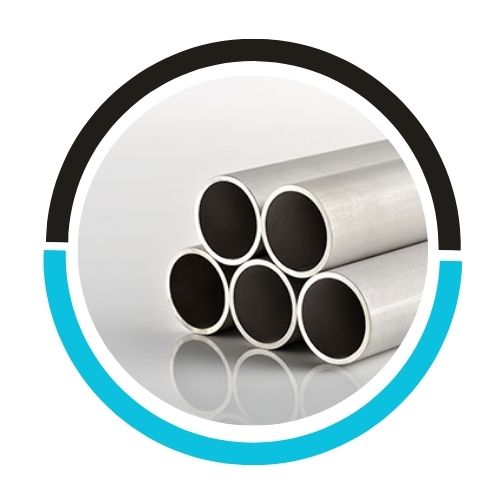
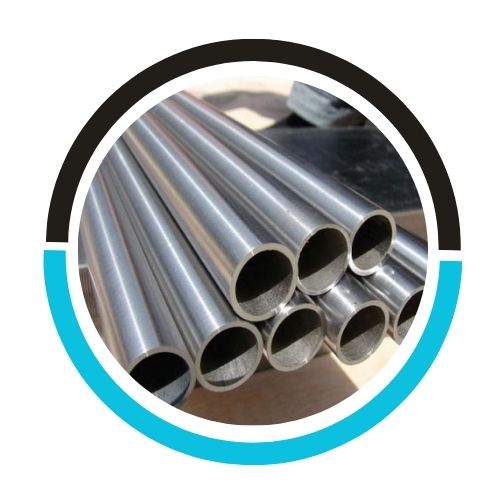
Stainless Steel 443 Pipes serve applications as varied as the industries that use them, propelled chiefly by the aerospace, railway, construction and automotive sectors along with petrochemical, nuclear, medical, Oil & Gas, Chemical, Pharmaceutical, Food & Beverage, Nuclear, Thermal Power plants, Paper and Pulp, marine and mining, etc.
Stainless Steel 443 pipesare dimensioned according to industry benchmarks like nominal pipe size (NPS) and schedule number. The nominal pipe size denotes the approximate inside diameter of the pipe, whereas the schedule number reflects the wall thickness. Typical sizes span from NPS 1/8″ to NPS 36″ with assorted schedule numbers, and they are usually offered in standard lengths or custom lengths tailored to project needs. Size specifications guarantee compatibility with piping systems and equipment, enabling seamless integration and efficient installation.
Yes, stainless steel 443 pipes can be completely recycled. Stainless steel is a material with excellent recyclability, and the recycling procedure does not diminish its quality or characteristics. Recycled stainless steel can be melted and repurposed to create new stainless steel products, such as pipes. Recycling stainless steel 443 pipes contributes to preserving natural resources, lowering energy usage, and reducing waste, making it an environmentally friendly option.
Stainless Steel 443 pipes are suitable for underground use, depending on the condition of the soil and the potential for corrosion. Although they provide resistance to corrosion, it is essential to evaluate the makeup of the soil and any contact with corrosive materials. In particularly harsh environments, extra protective steps might be required.
Yes, stainless steel 443 pipes are weldable through standard welding methods including TIG (tungsten inert gas), MIG (metal inert gas), and SMAW (shielded metal arc welding). That said, following correct welding procedures and techniques is essential to preserve the material’s corrosion resistance and mechanical properties. Steps such as selecting suitable filler metals and shielding gases, managing heat input, and applying post-welding treatments may be required to produce high-quality welds and avoid problems like sensitization and distortion.
Mail: sales@koasteel.nz