
Home > Stainless Steel > Stainless Steel 304 Pipes
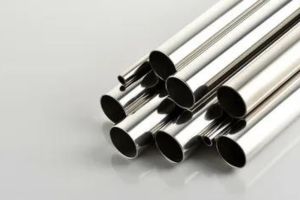
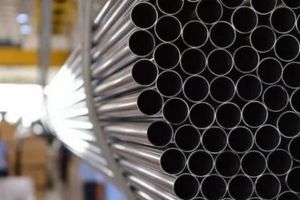
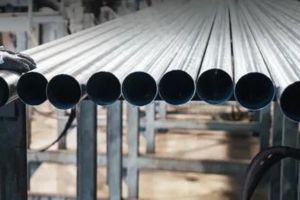
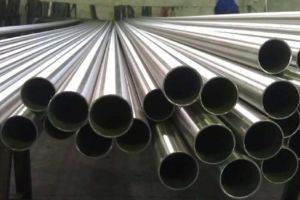
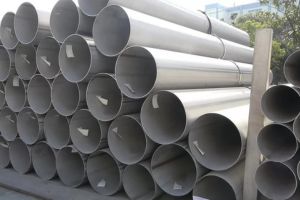
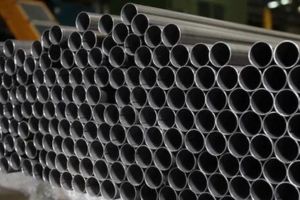
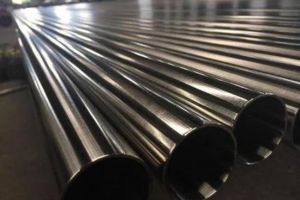
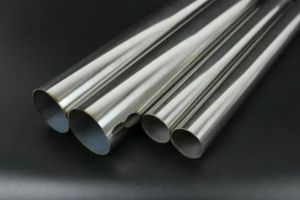
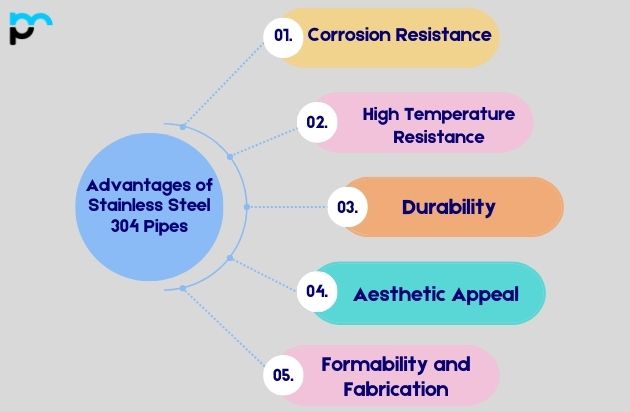
Stainless Steel 304 Pipesare corrosion-resistant piping material crafted from a flexible austenitic stainless steel alloy referred to as 304. This alloy is composed of chromium and nickel, delivering superb protection against corrosion, oxidation, and elevated temperatures. SS 304 Pipes are extensively utilized across numerous industries including construction, chemical, and food processing thanks to their toughness and sanitary characteristics. These pipes are recognized for their formability, weldability, and strength, which makes them favored for transporting fluids and gases in a wide range of applications.
|
Dimensions |
: |
ASTM, ASME and API |
|
Standard |
: |
ASTM A312 / ASME SA312 |
|
Size |
: |
1/8″NB TO 30″NB IN |
|
Specialized in |
: |
Large Diameter Size |
|
Schedule |
: |
SCH20, SCH30, SCH40, STD, SCH80, XS, SCH60, SCH80, SCH120, SCH140, SCH160, XXS |
|
Form |
: |
Round, Square, Rectangular, Hydraulic Etc |
|
Type |
: |
Seamless / ERW / Welded / Fabricated / LSAW Pipes |
|
Length |
: |
Single Random, Double Random & Cut Length. |
|
End |
: |
Plain End, Beveled End, Threaded |
|
Grade |
Ni |
Mn |
P |
C |
S |
Si |
Cr |
Mo |
N |
|
|
304 |
min. |
8.0 |
– |
– |
– |
– |
– |
18.0 |
– |
– |
|
max. |
10.5 |
2.0 |
0.045 |
0.08 |
0.030 |
0.75 |
20.0 |
|||
|
Grade |
Tensile Strength (MPa) min |
Elongation (% in 50mm) min |
Yield Strength 0.2% Proof (MPa) min |
Hardness |
|
|
Rockwell B (HR B) max |
Brinell (HB) max |
||||
|
304 |
515 |
40 |
205 |
92 |
201 |
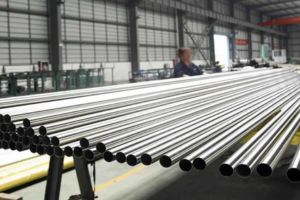
At Koasteel, we take pride in being the largest supplier and manufacturer in the New Zealand, delivering innovative solutions for all your piping requirements. With advanced production facilities strategically situated in the New Zealand, we maintain an extensive inventory of more than 25,000 tons of top-quality materials on hand in stock.
Reach out to us for a fast quote tailored to your requirement.
We supply These Stainless Steel 304 Pipes in accordance with DIN, ISO, JIS or ANSI Standard.
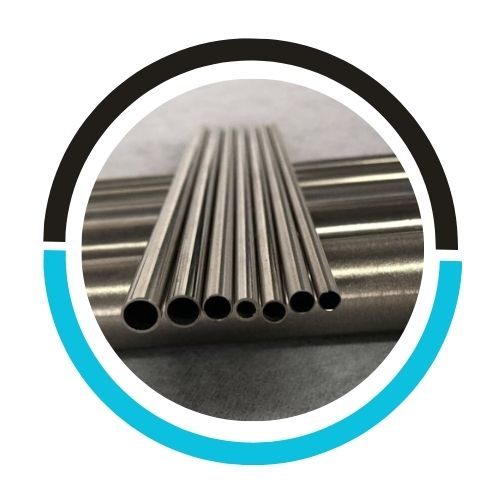
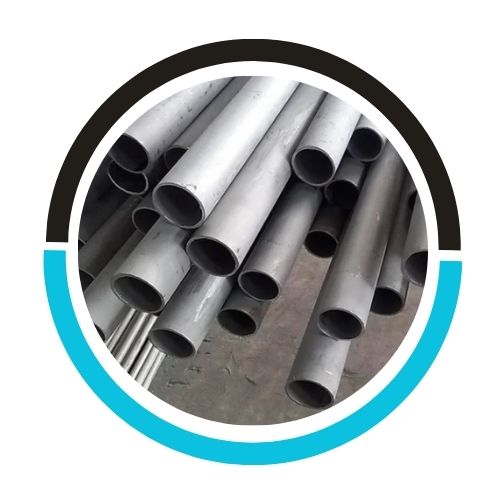
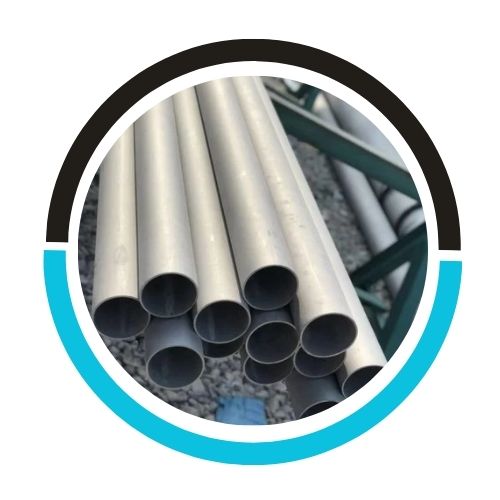
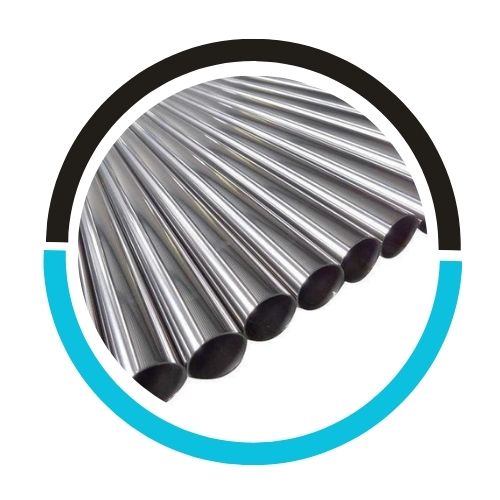
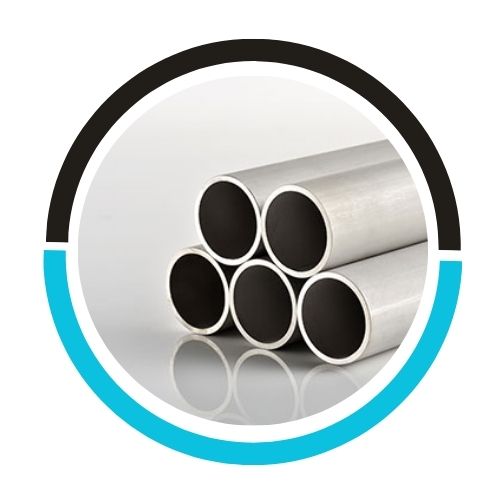
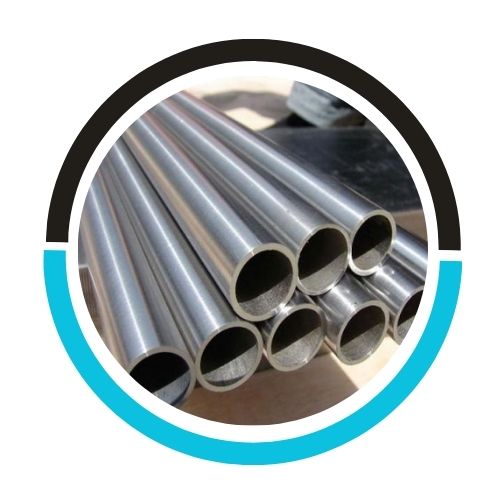
Stainless Steel 304 Pipes serve applications as varied as the industries that rely on them, led chiefly by the aerospace, railway, construction and automotive sectors, along with petrochemical, nuclear, medical, Oil & Gas, Chemical, Pharmaceutical, Food & Beverage, Nuclear, Thermal Power plants, Paper and Pulp, marine and mining, etc.
Stainless Steel 304 pipesare dimensioned according to their nominal pipe size (NPS), a standardized designation that may not correspond to the pipe’s real measurements. NPS is a North American standard that reflects the approximate inside diameter of the pipe. In addition, stainless steel pipes are classified by their schedule, which indicates the wall thickness. Frequently used schedules include SCH 5, SCH 10, SCH 40, and SCH 80. Together, NPS and schedule define the pipe’s dimensions and pressure rating. When choosing the correct size and schedule for Stainless Steel 304 pipes, it’s crucial to account for the particular needs of your application, including pressure, temperature, and fluid compatibility.
Stainless Steel 304 pipes are typically not advised for cryogenic uses that involve extremely low temperatures, for instance those beneath -100°C (-148°F). Although Stainless Steel 304 provides outstanding corrosion resistance and strength at room temperature and moderately low temperatures, it becomes prone to brittleness and diminished mechanical properties under cryogenic temperatures. For cryogenic uses, stainless steel alloys possessing superior cryogenic characteristics, such as Stainless Steel 304L or Stainless Steel 316, are generally favored because of their enhanced toughness and ductility at low temperatures.
YesStainless Steel 304 pipes can be utilized for underground applications when the right precautions and considerations are followed. Nevertheless, it’s essential to make certain that the stainless steel pipes are sufficiently safeguarded against corrosion, which becomes especially vital in underground settings where they might come into contact with moisture, soil, and other corrosive substances. This can be accomplished through several approaches, including applying corrosion-resistant coatings, employing cathodic protection systems, or choosing Stainless Steel 304L pipes, which contain less carbon and therefore offer improved resistance to intergranular corrosion. Furthermore, sound installation practices, like providing sufficient drainage and preventing direct contact with dissimilar metals, can additionally boost the durability and effectiveness of Stainless Steel 304 pipes in underground applications.
YesStainless Steel 304 pipes can be joined through several welding methods, including TIG (Tungsten Inert Gas) welding, MIG (Metal Inert Gas) welding, or SMAW (Shielded Metal Arc Welding). That said, it’s essential to apply suitable welding procedures and filler metals to achieve a robust and long-lasting weld joint while limiting the chance of corrosion or sensitization. Care must also be exercised to prevent excessive heat input, which may cause distortion or the development of unwanted phases like chromium carbides along the grain boundaries, diminishing corrosion resistance. In summary, when proper welding methods and controls are applied, Stainless Steel 304 pipes can be effectively welded to satisfy the demands of numerous applications.