
Home > Nickel Alloy > Nickel Alloy Forging
Set out on a path of superb performance and dependability with our Nickel Alloy Forgings, meticulously crafted to thrive in the harshest industrial settings. Built with accuracy and reinforced with remarkable durability, our nickel alloy forgings set a new standard of excellence in demanding applications. Delivering unrivaled corrosion resistance and lasting strength, our forgings outperform conventional options, guaranteeing reliable operation where others might fail. From high-pressure uses in oil and gas exploration to extreme temperatures in power generation, our broad selection of Nickel Alloy Forgings promises exceptional toughness and dependable performance. Dedicated to surpassing customer expectations, we provide customized solutions, competitive pricing, and swift service, ensuring smooth integration into your projects with the highest precision and efficiency. Rely on our premium-grade forgings, supported by an unwavering dedication to quality and performance, to lift your ventures to new levels of success.
| Specifications | ASTM B564, ASME SB564 |
|---|---|
| Standard | DIN, ASTM, BS and all International Standards |
| Flat bar blocks | up to 27″ width and 15,000 lbs |
| Cylinders and sleeves | up to 50″ maximum O.D. and 65″ maximum length |
| Discs and hubs | up to 50″ diameter and 20,000 lbs |
| Rolled, hand forged or mandrel forged rings | up to 84″ maximum O.D. and 40″ maximum length |
| Rounds, shafts and step shafts | up to 144″ maximum length and 20,000 lbs |
At Koasteel, we take pride in being the largest supplier and manufacturer in the New Zealand, delivering advanced solutions for every one of your piping requirements. With cutting-edge production facilities strategically situated in the New Zealand, we maintain an extensive inventory of more than 25,000 tons of top-quality materials kept ready in stock.
Reach out to us for a fast quote tailored to your requirement.
We supply these Nickel Alloy Forging conforming to DIN, ISO, JIS or ANSI Standard.
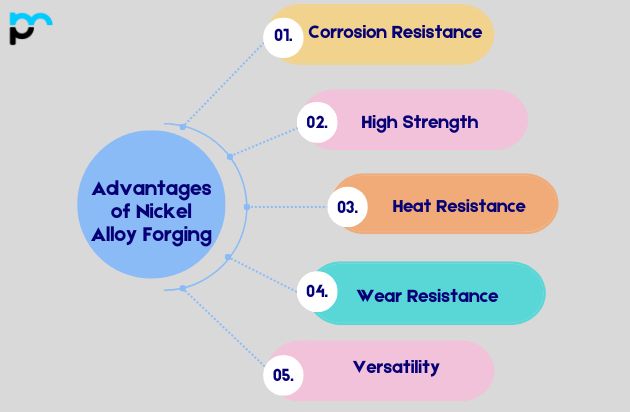
High Strength: Nickel alloys are recognized for their outstanding mechanical characteristics, such as high strength and toughness. Forged nickel alloys are capable of enduring high-stress conditions, which makes them appropriate for demanding uses across industries like aerospace, chemical processing, and power generation.
Corrosion Resistance: Nickel alloys demonstrate exceptional resistance to corrosion and oxidation, even under high temperatures. This quality makes them perfectly suited for settings where contact with aggressive chemicals or extreme heat is frequent.
Heat Resistance: Numerous nickel alloys preserve their mechanical characteristics at high temperatures, which makes them appropriate for applications like heat exchangers, gas turbines, and other high-temperature uses.
Wear Resistance: Nickel alloys can provide solid wear resistance, especially in conditions where abrasion or erosion pose challenges. Forged nickel alloy parts are able to preserve their integrity and functionality across long durations.
Versatility: Nickel alloys are adaptable and can be customized to satisfy particular performance needs through alloying and forging methods. This adaptability enables the manufacture of components with exact mechanical properties and dimensions.
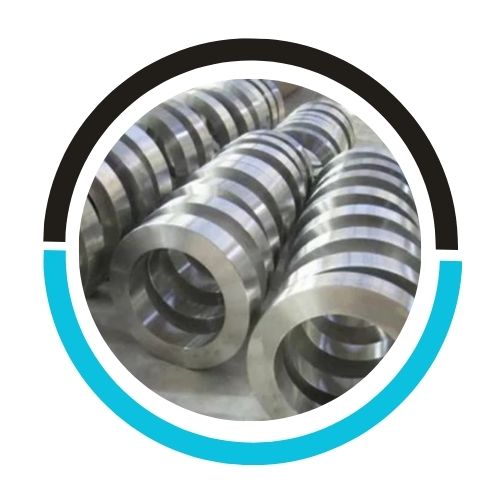
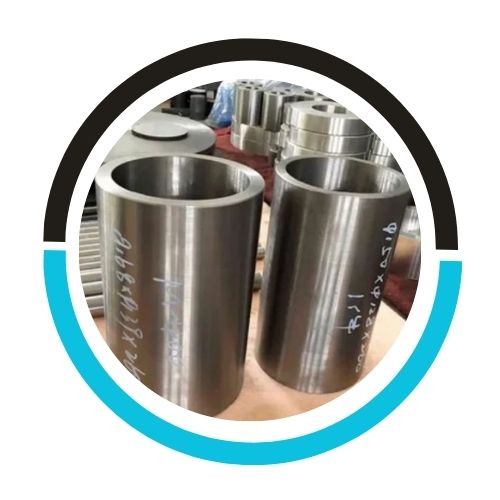
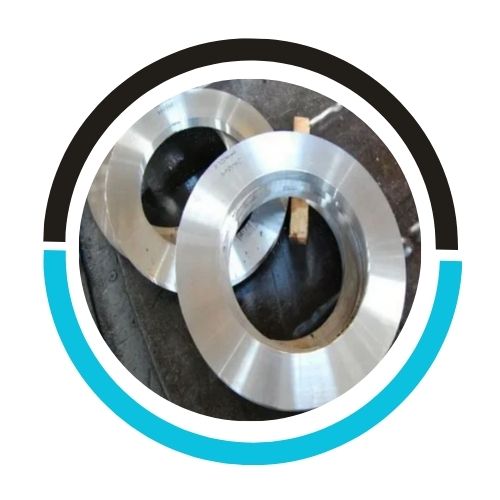
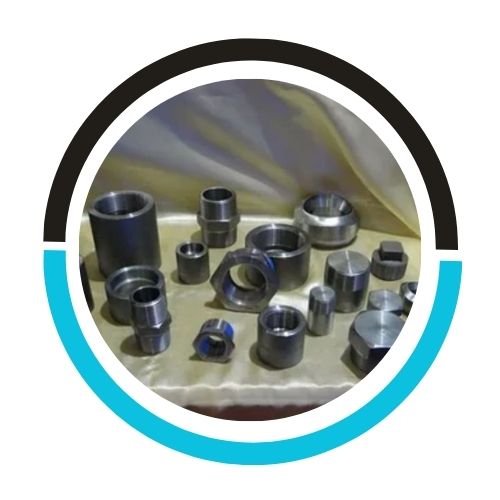
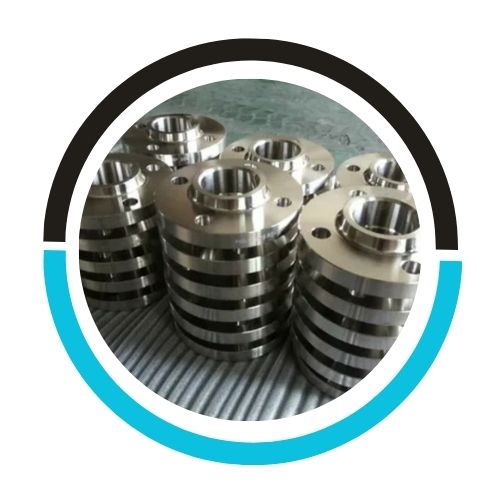
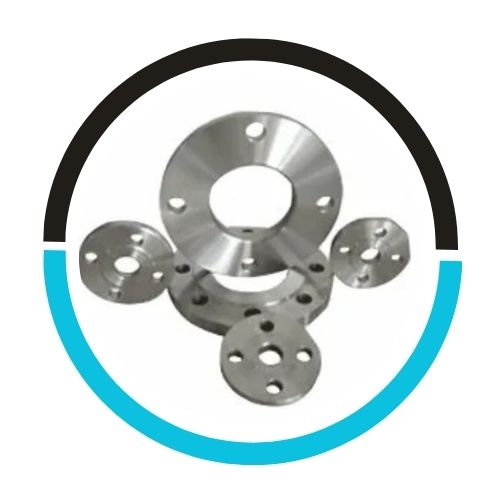
Nickel Alloy Forging uses are as varied as the sectors they support, led mainly by the aerospace, railway, construction and automotive industries, along with petrochemical, nuclear, medical, Oil & Gas, Chemical, Pharmaceutical, Food & Beverage, Nuclear, Thermal Power plants, Paper and Pulp, marine and mining, etc.
Aerospace: Nickel alloys see widespread use in aerospace applications thanks to their high strength, resistance to corrosion, and ability to withstand heat. Parts like turbine blades, discs, shafts, and casings within jet engines and gas turbines frequently rely on nickel alloy forgings to endure the tough conditions of elevated temperatures and stress.
Oil and Gas: Within the oil and gas industry, nickel alloys play a vital role in equipment employed for offshore drilling, downhole applications, and processing facilities. They deliver outstanding resistance to corrosive surroundings, high pressure, and the extreme temperatures found in these operations.
Chemical Processing: Nickel alloy forgings find application in chemical processing plants where resistance to corrosion caused by acids, alkalis, and other aggressive chemicals is critical. Equipment including reactors, heat exchangers, valves, and piping gain from the durability and reliability that nickel alloys provide.
Review Material Standards and Specifications:
Take Alloy Composition Into Account:
Assess Mechanical Properties:
Yes,Nickel alloy forging is recyclable once it has been used. Scrap or end-of-life parts made from nickel alloys can be gathered, processed, and repurposed through a range of recycling techniques including melting and refining. Recycling supports resource conservation and lessens the environmental impact tied to producing new alloy.
Yes,Nickel alloy forgings work well for hygienic and sanitary uses. They provide outstanding resistance to corrosion, long-lasting durability, and simple cleaning, which makes them perfect for sectors such as food processing, pharmaceuticals, and medical equipment, where cleanliness and hygiene are essential demands.
Yes,Nickel alloy forgings can be prone to galvanic corrosion when paired with dissimilar metals in an electrolyte. Thoughtful evaluation and appropriate material selection are vital to avoid galvanic corrosion, guaranteeing compatibility with other metals and reducing the danger in mixed-metal settings.
Yes,Nickel alloy forgings are suitable for underground applications. They provide outstanding corrosion resistance, including protection against soil conditions, moisture, and underground environments. Nickel alloys like Inconel and Monel are especially well-suited for underground piping, tubing, and components that demand long-term durability.
Mail: sales@koasteel.nz