
Home > Nickel Alloy > Nickel Alloy 200 Forging
Set out on a path of outstanding performance and dependability with our Nickel Alloy 200 Forgings, meticulously custom-built to thrive in demanding industrial applications. Designed with precision and reinforced with remarkable durability, our Nickel Alloy 200 Forgings set a new standard for excellence in critical environments. Providing superior corrosion resistance and lasting strength, these forgings surpass conventional materials, guaranteeing reliable performance where dependability is essential. Whether facing the high-pressure conditions of oil and gas operations or the extreme temperatures of power generation, our Nickel Alloy 200 Forgings deliver unrivaled resilience and steady functionality. Dedicated to exceeding your expectations, we provide customized solutions, competitive pricing, and prompt service, blending seamlessly into your projects with precision and efficiency. Rely on our premium Nickel Alloy 200 Forgings, supported by steadfast commitment to quality and performance, to lift your projects to new heights of success.
| Grade | C | Mn | Si | S | Cu | Fe | Ni |
| Nickel 200 Forgings | 0.15 max | 0.35 max | 0.35 max | 0.01 max | 0.25 max | 0.40 max | 99.0 min |
| Element | Density | Melting Point | Tensile Strength | Yield Strength (0.2%Offset) | Elongation |
| Nickel 200 Forgings | 8.9 g/cm3 | 1446 °C (2635 °F) | Psi – 67000 , MPa – 462 | Psi – 21500 , MPa – 148 | 45 % |
| Specifications | ASTM B564, ASME SB564 |
|---|---|
| Standard | BS 3072, BS 3073, BS 3074, BS 3075, BS 3076, NA11 DIN 17740, 17750, 17751, 17752, 17753, 17754, DIN, ASTM, BS and all International Standards |
| Flat bar blocks | up to 27″ width and 15,000 lbs |
| Cylinders and sleeves | up to 50″ maximum O.D. and 65″ maximum length |
| Discs and hubs | up to 50″ diameter and 20,000 lbs |
| Rolled, hand forged or mandrel forged rings | up to 84″ maximum O.D. and 40″ maximum length |
| Rounds, shafts and step shafts | up to 144″ maximum length and 20,000 lbs |
At Koasteel, we take pride in being the largest supplier and manufacturer in the New Zealand, delivering advanced solutions for all your piping requirements. With cutting-edge production facilities strategically situated in the New Zealand, we maintain an extensive inventory of more than 25,000 tons of top-quality materials kept in stock and ready to go.
Reach out to us for a fast quote tailored to your needs.
We supply These Nickel Alloy 200 Forging in accordance with DIN, ISO, JIS or ANSI Standard.2
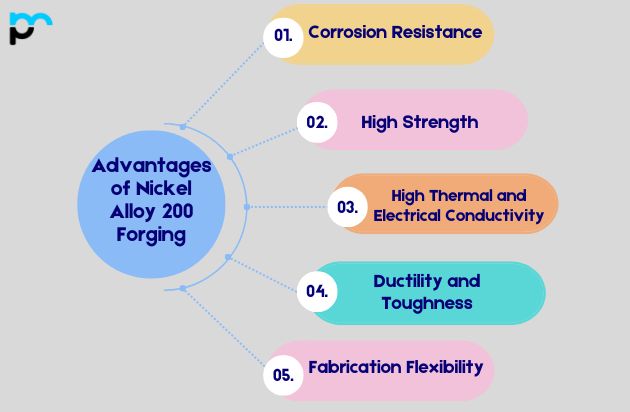
Corrosion Resistance: Nickel Alloy 200 offers exceptional resistance to corrosion in alkaline environments, such as alkaline solutions, organic acids, and neutral and alkaline salts. This property makes it well-suited for uses where resisting corrosion is essential.
High Thermal and Electrical Conductivity: It demonstrates superb thermal and electrical conductivity, which makes it valuable across a range of electrical and electronic uses, for instance in electrical components and heat exchangers.
High Strength: Nickel Alloy 200 preserves strong mechanical properties across both elevated and low temperatures. Forged parts keep their strength and soundness under demanding conditions.
Ductility and Toughness: The alloy is both ductile and tough, which aids the forging process and enables the creation of intricate shapes and parts without sacrificing performance.
Fabrication Flexibility: Nickel Alloy 200 can be readily forged into a variety of shapes and sizes, giving it versatility for diverse industrial uses. It can also be welded and machined with relative ease.
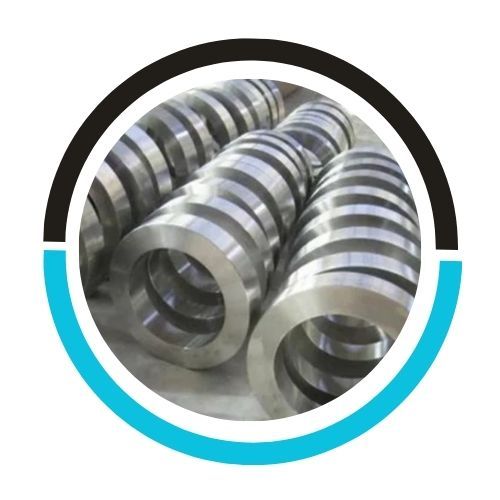
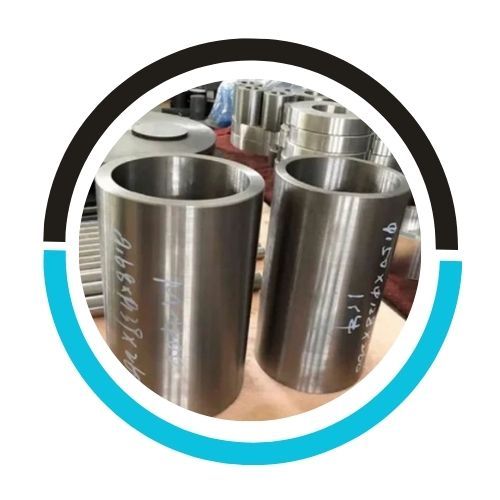
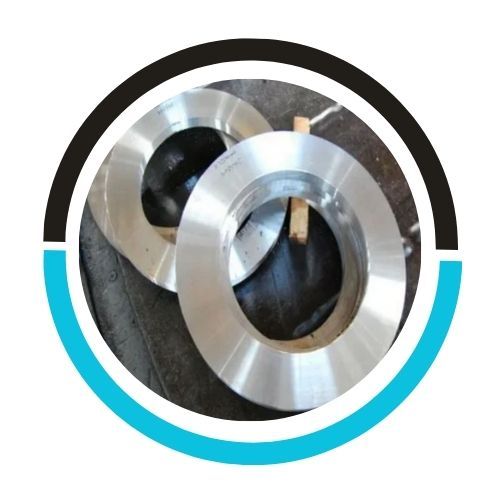
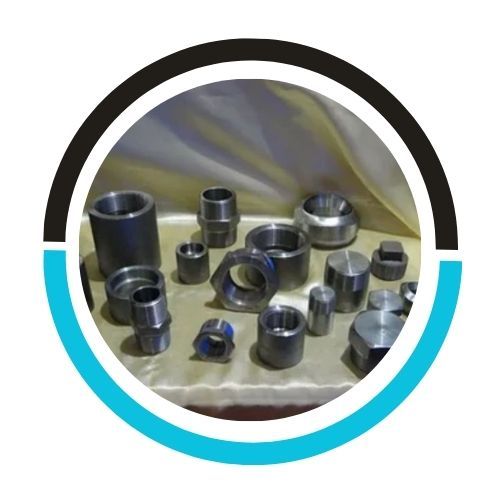
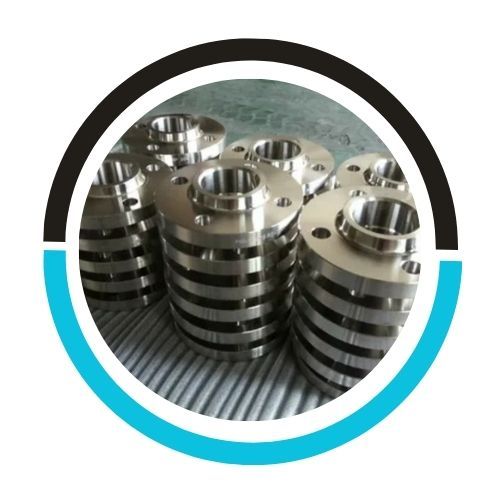
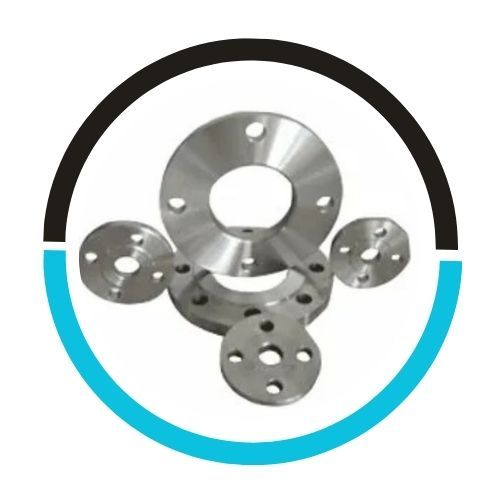
Nickel Alloy 200 Forging uses are as varied as the sectors they support, led chiefly by the aerospace, railway, construction and automotive fields along with petrochemical, nuclear, medical, Oil & Gas, Chemical, Pharmaceutical, Food & Beverage, Nuclear, Thermal Power plants, Paper and Pulp, marine and mining, etc.
Chemical Processing: Parts including reaction vessels, heat exchangers, and piping systems take advantage of Nickel Alloy 200’s ability to withstand corrosion from a range of acids, alkalies, and salts. Because it resists caustic alkalis such as sodium hydroxide (caustic soda), it is especially well suited to chemical processing equipment.
Electronics and Electrical Engineering: Nickel Alloy 200 is prized for its strong electrical conductivity and minimal electrical resistivity. It serves in electrical components like connectors, leads, and terminals, where dependability and conductivity are essential.
Marine Applications: Because it holds up against seawater and marine atmospheres, Nickel Alloy 200 finds use in marine equipment, such as seawater piping systems, heat exchangers, and marine fittings.
Heat Exchangers: Its combination of thermal conductivity and corrosion resistance makes it perfect for heat exchanger components across numerous industries, including chemical processing, oil refining, and power generation.
Application Requirements: Grasp the working conditions, such as temperature, pressure, corrosive surroundings (acids, alkalis, seawater), and mechanical loads. Nickel Alloy 200 is recognized for its resistance to corrosion and strong electrical conductivity, so these characteristics are usually the main factors to weigh.
Mechanical Properties: Assess the mechanical characteristics required for your use case, like tensile strength, yield strength, ductility, and toughness. Forged Nickel Alloy 200 retains solid mechanical properties across a broad temperature range, though exact needs can differ based on the application.
Corrosion Resistance: Nickel Alloy 200 delivers outstanding corrosion resistance across many environments, but the particular corrosive medium (e.g., sulfuric acid, hydrochloric acid, alkaline solutions) and its concentration must be aligned with the alloy’s resistance capabilities.
Fabrication and Formability: Take into account the intricacy of the part and whether Nickel Alloy 200 can feasibly be forged into the needed shape. Nickel Alloy 200 is noted for its good ductility and formability, which makes forging into a range of shapes and sizes easier.
Yes,Nickel Alloy 200 forging is suitable for recycling once it has been used. The alloy can be recycled thanks to its elevated nickel content, which preserves its valuable characteristics across repeated rounds of melting and reprocessing, making it an environmentally sustainable option for industrial applications.
Nickel Alloy 200 forgings are typically well-suited for hygienic and sanitary uses because of their inertness, resistance to corrosion, and easy cleaning. They serve the food processing, pharmaceutical, and beverage sectors, where keeping surfaces clean and avoiding contamination are essential demands.
Nickel Alloy 200 forgings resist galvanic corrosion when combined with most common metals. Owing to its high nickel content, it displays noble behavior when in contact with other metals, reducing the likelihood of galvanic corrosion across a range of environments, including marine and industrial settings.
Nickel Alloy 200 forgings are well-suited for underground uses where resistance to corrosion is essential. They withstand corrosion in soil conditions, which makes them practical for underground piping, tanks, and equipment across industries like oil and gas, utilities, and infrastructure projects that demand durability and longevity.
Email: sales@koasteel.nz