
Home > Alloy Steel > Alloy Steel F91 Bars
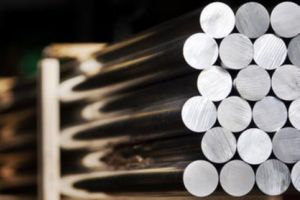
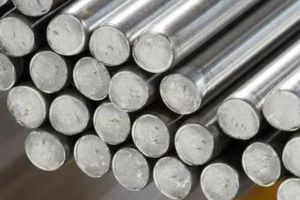
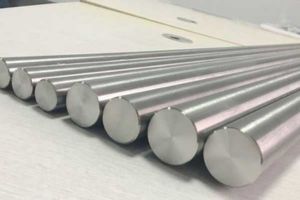
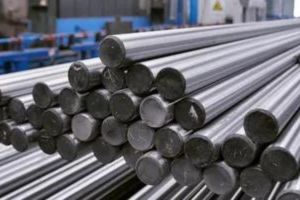
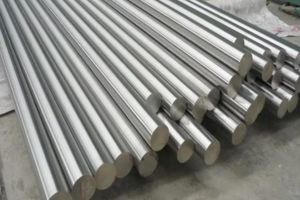
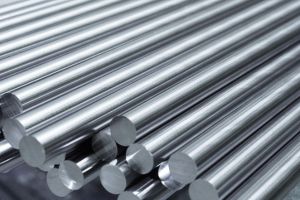
Renowned for our unwavering dedication to quality, we specialize in supplying an extensive selection of Alloy Steel F91 Bars, meticulously procured from respected suppliers celebrated for their expertise in producing top-tier alloy steel. Essential in manufacturing a variety of components, our Alloy Steel F91 Bars offer unrivaled flexibility in dimensions, grades, and standards, serving a broad range of client needs. Greatly favored across the construction and engineering sectors, our high-quality Alloy Steel F91 Bars are prized for their remarkable resistance to corrosion as well as abrasion. Designed with exact alloy compositions, these bars are subjected to stringent heat treatment procedures to boost hardenability, guaranteeing consistent improvement of mechanical properties throughout the whole cross-section.
SpecificationsASTM A182 / ASME SA182
StandardASTM, ASME and API
Range4 mm to 350 mm dia
Length1000 mm Long To 6000 mm Long
FinishBright, Polished & Black
ConditionCold Drawn & Polished Cold Drawn, Centreless Ground & Polished
FormRound, Square, Hex (A/F), Rectangle, Wire (Coil Form), Wire-mesh, Billet, Ingot, Forging Etc.
Grade Alloy Steel ASTM A182 F91 Round Bars DIN (1.4903) )
| Tensile Strength | Yield Strength (0.2%Offset) | Elongation |
| 415 | 585 | 20 % |
| Grade | C | Cr | Si | S | Mn | P | Mo |
| ASTM A182 F91 | 0.08 – 0.15 | 8.0 – 9.5 | 0.20 – 0.50 | 0.010 max | 0.30 – 0.60 | 0.020 | 0.85 – 1.05 |
At Koasteel, we take pride in being the largest supplier and manufacturer in the New Zealand, delivering innovative solutions for all your piping requirements. With advanced production facilities strategically situated in the New Zealand, we maintain an extensive inventory of more than 25,000 tons of high-quality materials kept ready in stock.
Reach out to us for a fast quote tailored to your requirement.
We supply these Alloy Steel F91 Bars in accordance with DIN, ISO, JIS or ANSI Standard.
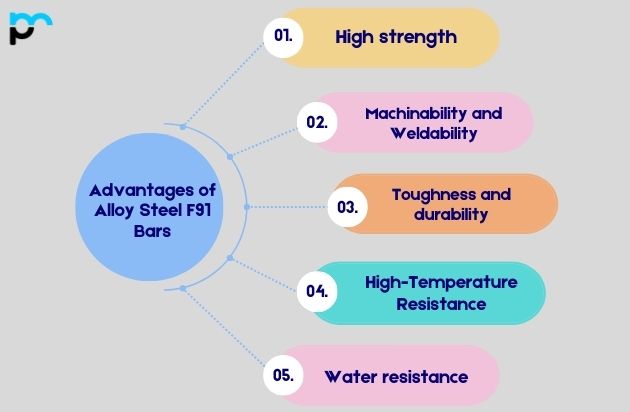
High Strength: Alloy steel F91 frames are recognized for their exceptional strength, which makes them well-suited for uses where structural integrity and load-bearing capability matter
Machinability and Weldability: Even with their considerable strength and hardness, F91 alloy steel strips can be machined and welded with relative ease when compared to certain high-strength alloys. This eases the manufacturing process and yields structures with intricate shapes.
Toughness and durability: F91 alloy steel bars are rugged, enabling them to endure shock and fatigue loads without breaking down. Their durability guarantees lasting performance and reliability in demanding uses.
High-Temperature Resistance: Alloy steel F91 wires are able to tolerate high temperatures without sacrificing their mechanical properties. This characteristic makes them appropriate for high-temperature settings such as boilers, heat exchangers and power generation plants.
Water resistance: These rods display outstanding corrosion resistance, particularly in severe conditions such as high temperatures and corrosive chemicals. This renders them ideal for applications in industries such as oil, gas, petrochemicals and the chemical industry.
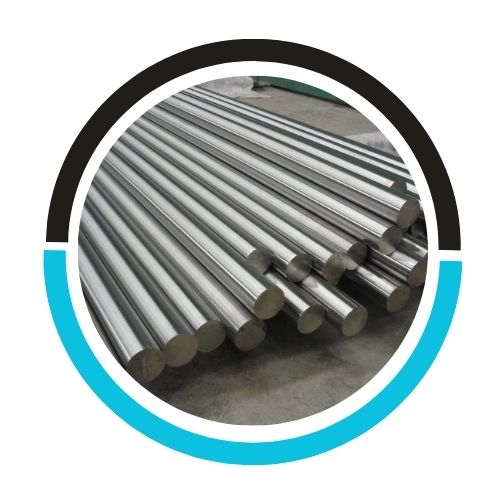
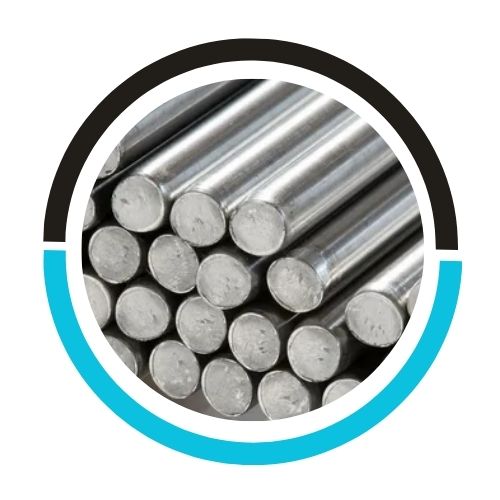
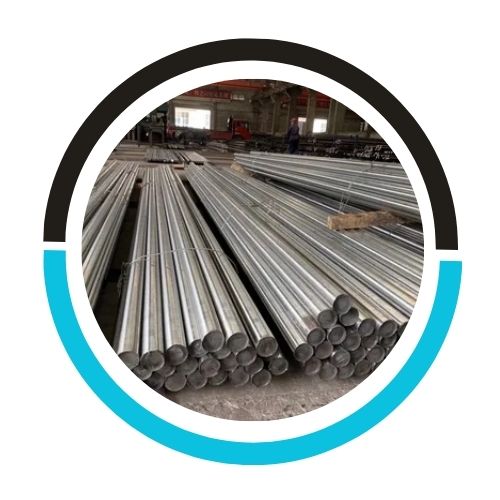
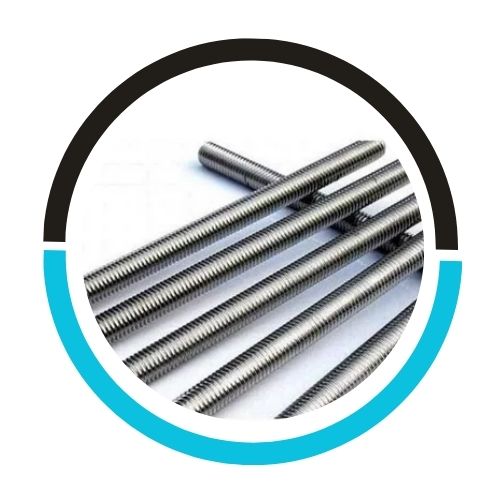
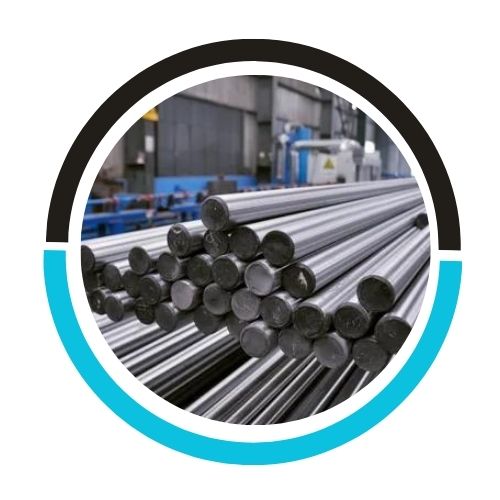
Alloy Steel F91 Bars find uses that are as varied as the sectors they serve, led chiefly by the aerospace, railway, construction and automotive industries along with petrochemical, nuclear, medical, Oil & Gas, Chemical, Pharmaceutical, Food & Beverage, Nuclear, Thermal Power plants, Paper and Pulp, marine and mining, etc.
Oil and Gas Industries: F91 tapes are widely applied to products like valve flange fittings in oil refineries and gas processing facilities. Because of their high strength and resistance to corrosion, they are well suited for water corrosion and high-pressure settings.
Aerospace Applications: Within the aerospace sector, F91 timber can serve in aircraft engine parts like turbine discs and shafts, where high strength and thermal resistance are essential for peak performance and safety
Chemical applications: F91 tape is used in chemical equipment such as reactor heat exchanger pipelines, where resistance to chemical corrosion and high temperatures is necessary
Power Generation: Employed in power plants for turbine blades, shafts, steam generator tubes and additional components. The high temperature and pressure conditions in power plants call for materials like F91 to endure such demanding environments.
Properties:Determine which mechanical properties matter for your application, including tensile strength, tensile strength, stiffness, and impact resistance. Alloy steel F91 strips typically offer high strength and solid toughness, though these characteristics can vary based on design methods and heat treatment.
Construction Standards: Verify that alloy steel F91 strips comply with the relevant construction standards and specifications, such as ASTM A182/A182M for forged or rolled alloy steel pipe flanges and forged fittings and ASTM A739 for seamless alloy steel strips used in valves and high-temperature service.
Temperature Resistance: Review the temperature involved in your application. Alloy steel F91 strips are engineered to handle high temperatures, yet it is essential to confirm they can perform dependably under your application’s particular temperature conditions without a major reduction in mechanical strength.
Corrosion Resistance: Think about the setting where the rod will be applied. Alloy steel F91 provides strong corrosion resistance, but if your project involves contact with corrosive chemicals or environmental conditions, you might need to select or use a material with greater corrosion resistance, something else that safeguards you.
Alloy steel F91 bars can be prone to galvanic corrosion when they come into contact with dissimilar metals in electrolytic settings. Adequate insulation or applying protective coatings can reduce this risk, keeping the bars sound in their integrity and performance during service.
Yes,Alloy steel F91 bars are suitable for welding and machining, though extra care must be taken because of their elevated chromium content. Welding calls for preheating and post-weld heat treatment, and machining should be carried out with the right tools and methods to avoid work hardening and preserve dimensional accuracy.
Alloy steel F91 bars provide solid resistance to corrosion, especially under high-temperature and high-pressure conditions. Nevertheless, they may still be prone to corrosion within some harsh chemical settings or when chlorides are present. Careful material choice and surface protection can reduce the risks of corrosion.
Alloy steel F91 bars are usually unsuitable for underground use because of the risk of corrosion in soil settings. Contact with moisture, oxygen, and assorted chemicals present in the soil can speed up corrosion. Substitute materials offering superior corrosion resistance, like stainless steel or corrosion-resistant alloys, are generally the preferred choice.
Mail: sales@koasteel.nz