
Home > Alloy Steel > Alloy Steel Forged Fittings
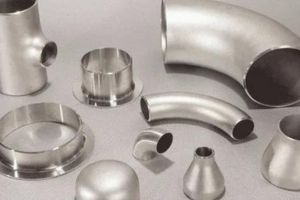
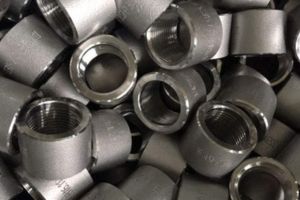
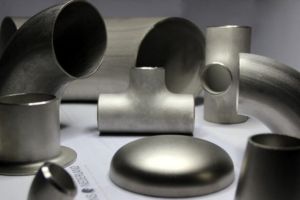
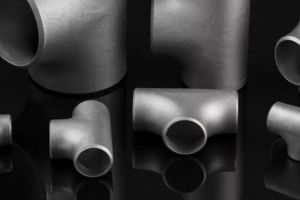
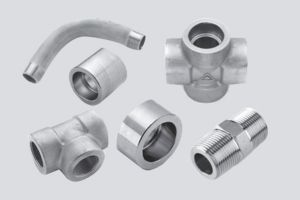
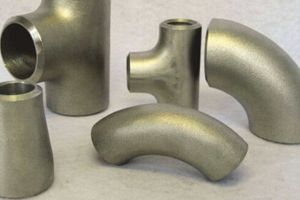
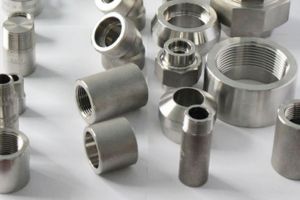
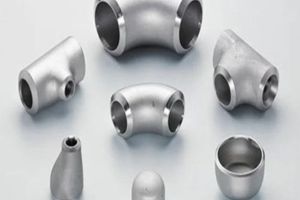
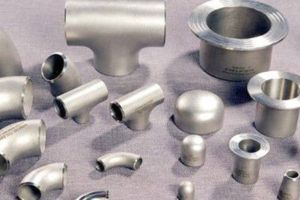
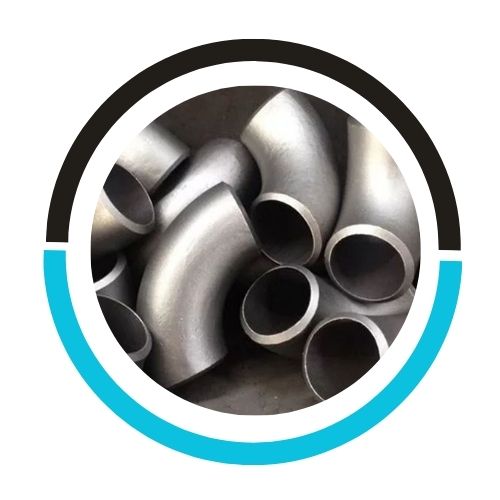
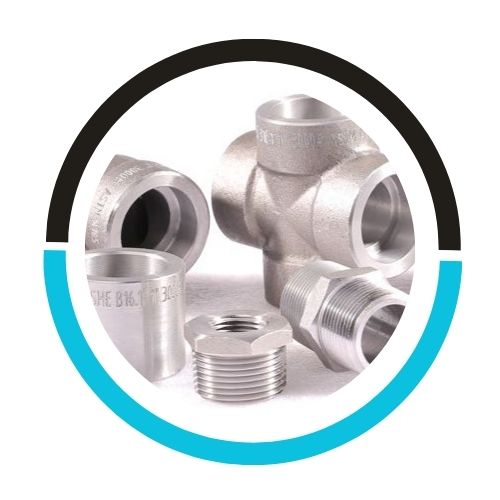
Alloy Steel Forged Fittingsare robust parts designed for challenging industrial uses such as oil and gas, petrochemicals, and power generation. Made from alloy steel, they offer outstanding strength, durability, and resistance to corrosion and elevated temperatures. Such fittings, including elbows, tees, and couplings, are essential for keeping dependable connections and structural integrity in high-pressure settings. Thanks to their sturdy build and performance, alloy steel forged fittings serve as a dependable option for critical operations throughout many industries.
| Specifications | Alloy Steel |
|---|---|
| Size | 1/8” NB TO 48” NB. |
| Dimensions | ASME/ANSI B16.9, ASME B16.28, MSS-SP-43 |
| Type | Seamless / Welded / Fabricated |
| Thickness | Sch 5s, Sch 10s, Sch 40s, Sch 80s, Sch 160s, Sch XXS |
| Grade | Tensile Strength (Mpa) | Yield Strength (Mpa) | Elongation % |
| Alloy Steel | 415 | 585 | 20 |
| Grade | C | Mn | Si | S | P | Cr | Mo |
| Alloy Steel | 0.08 – 0.12 | 0.3 – 0.6 | 0.5 | 0.01 | 0.02 | 8.5 – 9.5 | 0.85 – 1.05 |
At Koasteel, we take pride in being the largest supplier and manufacturer in the New Zealand, delivering advanced solutions for every one of your piping requirements. With cutting-edge production facilities strategically positioned in the New Zealand, we maintain an extensive stock of more than 25,000 tons of top-quality materials kept readily on hand.
Reach out to us for a fast quote tailored to your requirement.
We provide these Alloy Steel Forged Fittings conforming to DIN, ISO, JIS or ANSI Standard.
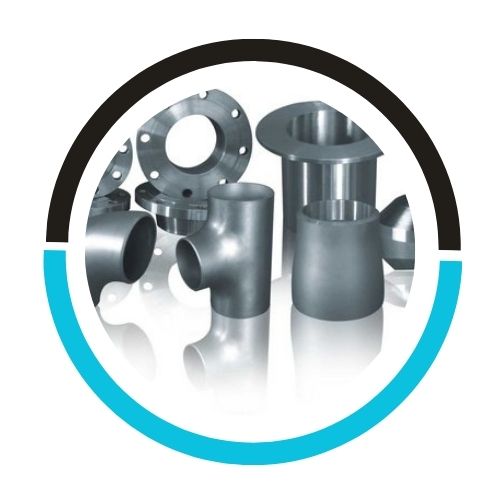
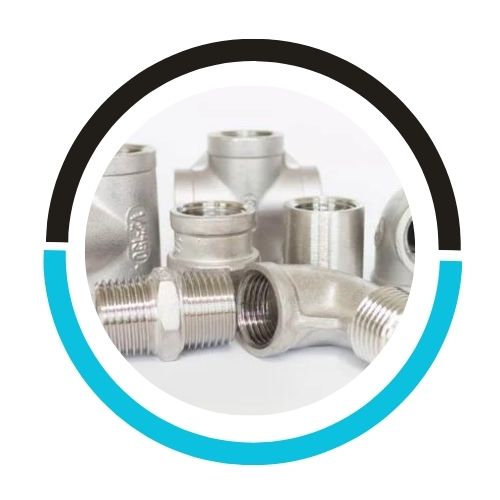
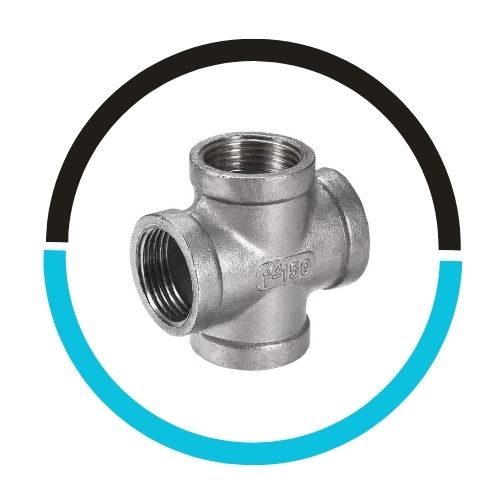
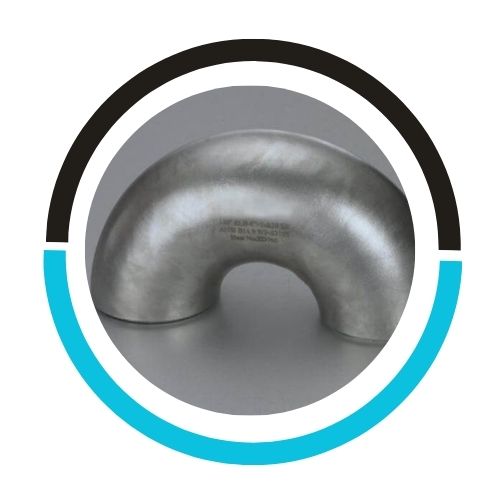
Alloy Steel Forged Fittings serve applications as varied as the sectors they support, led chiefly by the aerospace, railway, construction and automotive sectors along with petrochemical, nuclear, medical, Oil & Gas, Chemical, Pharmaceutical, Food & Beverage, Nuclear, Thermal Power plants, Paper and Pulp, marine and mining, etc.
Yes, alloy steel forged fittings can be recycled. Since alloy steel is a ferrous metal, it can undergo recycling via multiple methods, including melting and reprocessing. Recycling alloy steel forged fittings supports the conservation of natural resources, lowers energy usage, and reduces environmental harm when compared to producing metal from raw sources. On top of that, recycling alloy steel fittings can aid in cutting costs and advancing sustainability initiatives in industries that depend on these parts. That said, correct sorting and handling of scrap alloy steel is required to maintain quality and prevent contamination throughout the recycling process.
Yes, alloy steel forged fittings work well with a broad selection of piping materials frequently found in industrial settings. These fittings can be smoothly incorporated into piping systems built from materials like carbon steel, stainless steel, and assorted alloys. The compatibility between alloy steel forged fittings and other piping materials is guaranteed through standardized dimensions, threading, and connection techniques defined by industry standards like ASTM and ASME. Such compatibility provides flexibility in designing and building piping systems, enabling alloy steel fittings to be used together with different materials to satisfy particular application needs. Nevertheless, it’s crucial to weigh factors like material compatibility, corrosion resistance, and mechanical properties when choosing fittings and piping materials to guarantee dependable performance and durability of the system.
When installing Alloy Steel Forged Fittings, verify compatibility, correct sizing, and threading to achieve a secure, leak-free connection. Take operating conditions into account and adhere to industry standards for installation procedures to ensure long-term integrity and reliability. Routine inspection and maintenance are essential for detecting and preventing problems early.
Alloy Steel Forged Fittings are usually discouraged for potable water use because of possible issues involving corrosion and contamination. Although alloy steels provide outstanding mechanical characteristics and durability, they might lack the corrosion resistance needed for extended exposure to potable water, which could result in deterioration and possible health hazards. For potable water systems, it is generally recommended to select materials that are purpose-built and certified for these uses, like stainless steel or specific plastic varieties, to guarantee safety and adherence to regulations.
Mail: sales@koasteel.nz