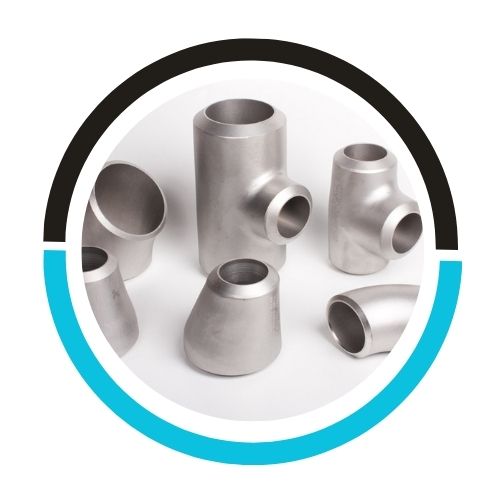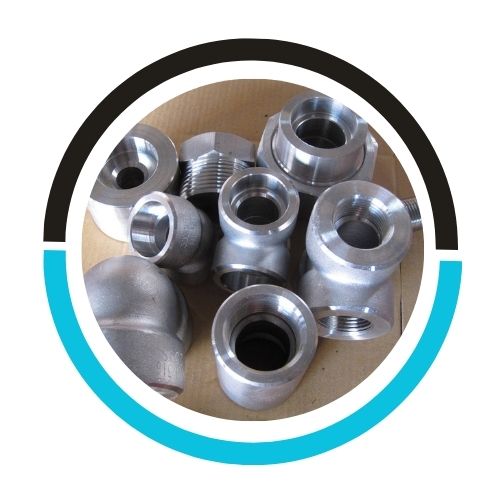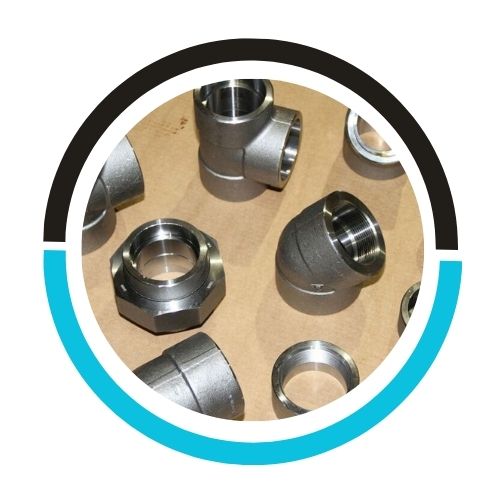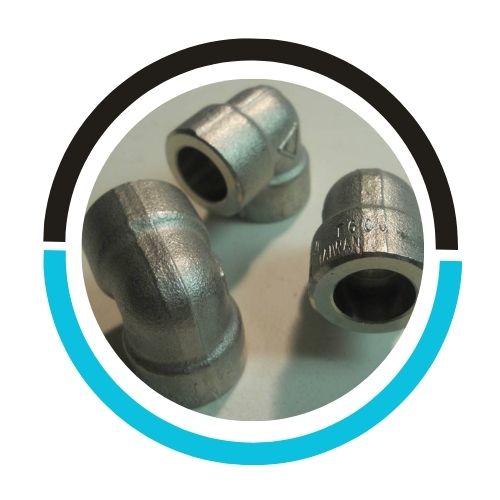
Stainless Steel Forgings

Home > Stainless Steel > Stainless Steel Forgings

Stainless Steel Forgings Manufacturer Supplier Exporter in Christchurch, New Zealand

Stainless Steel Forgings Supplier in Christchurch, SS Forgings Manufacturer in Wellington, Stainless Steel Forgings Exporter in Hamilton, SS Forgings Suppliers in Auckland, New Zealand

Table of Contents

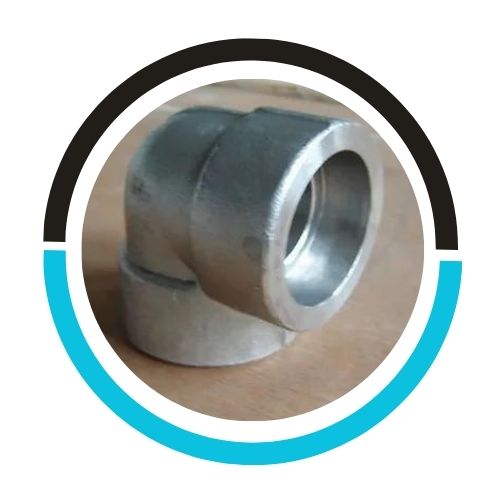
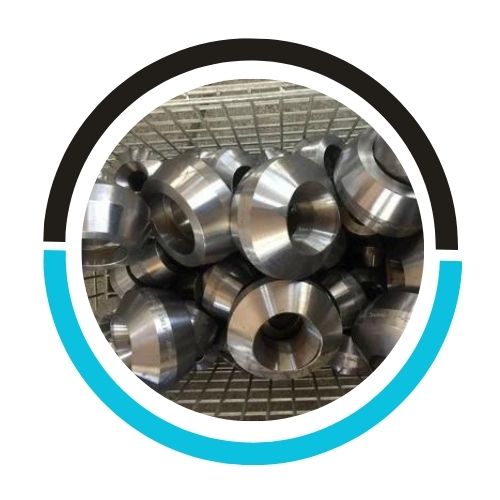
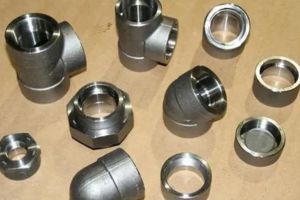
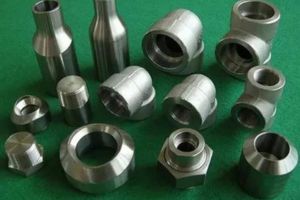
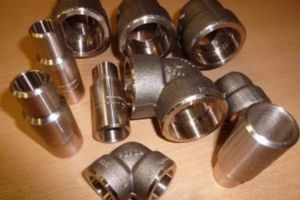
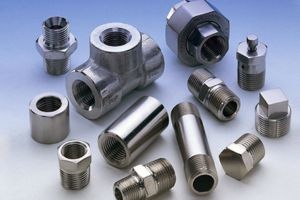
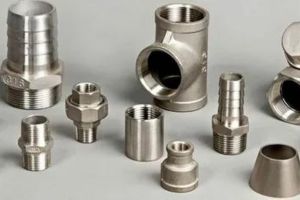
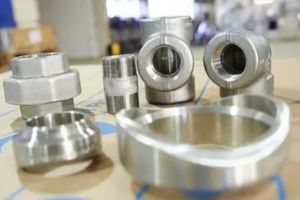
Our firm focuses on providing a wide-ranging selection of Stainless Steel Forgings obtained from reliable suppliers recognized for their proficiency in stainless steel products. These forgings are customized to satisfy diverse industry requirements, delivering flexibility in size, grades, and standards. They are extensively utilized in fields like oil and gas, marine, and chemical processing owing to their outstanding resistance to corrosion and erosion. Featuring a strong microstructure, these forgings offer superb strength and longevity, guaranteeing uniform mechanical properties across the entire forged structure.

Stainless Steel Forgings Specifications

Specifications ASTM A182, ASME SA182
Standard DIN, ASTM, BS and all International Standards
Flat bar blocks up to 27″ width and 15,000 lbs
Cylinders and sleeves up to 50″ maximum O.D. and 65″ maximum length
Discs and hubs up to 50″ diameter and 20,000 lbs
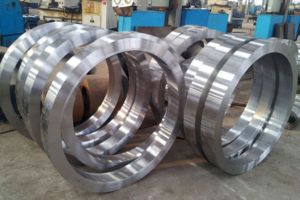
Rolled, hand forged or mandrel forged rings up to 84″ maximum O.D. and 40″ maximum length
Rounds, shafts and step shafts up to 144″ maximum length and 20,000 lbs
Forging Types Impression Die Forging, Open Die Forging, Seamless Rolled Forging, Hot Forging, Cold Forging, Open die hammer forging, Impression die drop forging, Closed Die Forging, Press Forging, Upset Forging, Compression Forging, Swaging, Rotary Forging, Roll forging.

Stainless Steel Forgings Manufacturer in New Zealand, ASTM A473 Stainless Steel Forgings Exporter in Christchurch, SS Forgings Manufacturer in Wellington

Top Stainless Steel Forgings Manufacturing Company in Auckland

At Koasteel, we take pride in being the largest supplier and manufacturer in the New Zealand, delivering advanced solutions for every one of your piping requirements. With cutting-edge production plants strategically positioned in the New Zealand, we maintain an extensive inventory of more than 25,000 tons of top-quality materials kept ready in stock.

Get in touch with us for a fast quote tailored to your requirement.

We supply these Stainless Steel Forgings conforming to DIN, ISO, JIS or ANSI Standard.
SS Forgings Supplier in Christchurch, Stainless Steel Forgings Exporter in Hamilton, SS Forgings New Zealand

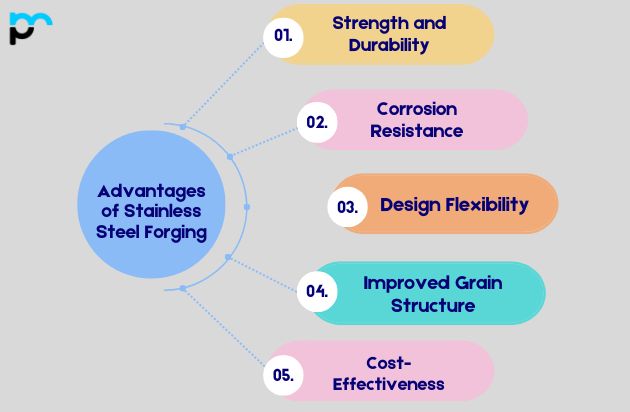
Advantages of Stainless Steel Forging

Advantages of Stainless Steel Forging
  1. Strength and Durability: Forging stainless steel improves the material’s structural integrity, delivering greater strength and longevity than alternative manufacturing techniques. This quality makes it well-suited for uses that demand high mechanical strength and resistance to wear and tear.
  2. Corrosion Resistance: Thanks to its chromium content, stainless steel naturally withstands corrosion, and forging boosts this resistance even more by removing voids and other flaws. As a result, forged stainless steel works well in demanding settings, including marine or chemical processing industries.
  3. Design Flexibility: Forging makes it possible to create complex shapes and designs without sacrificing material integrity. This adaptability allows manufacturers to produce custom parts with particular geometries and characteristics matched to precise specifications.
  4. Improved Grain Structure: By refining the grain structure of stainless steel, the forging process strengthens its mechanical qualities such as toughness and impact resistance. This yields components that perform better under both dynamic and static loads.
  5. Cost-Effectiveness: Although forging carries a higher upfront cost than other manufacturing methods, stainless steel forging provides savings over time. Its durability, lower maintenance requirements, and extended service life all add to its overall cost-effectiveness across many industrial applications.

Types of Stainless Steel Forgings

Stainless Steel Open Die Forging in New Zealand
Stainless Steel Open Die Forging
Stainless Steel Hot Forging in New Zealand
Stainless Steel Hot Forging
Stainless Steel Cold Forging in New Zealand
Stainless Steel Cold Forging
Stainless Steel Closed Die Forging in New Zealand
Stainless Steel Closed Die Forging
ASTM A473 Stainless Steel Forgings in New Zealand
ASTM A473 Stainless Steel Forgings
Stainless Steel Forgings in New Zealand
Stainless Steel Forgings

Stainless Steel Forgings New Zealand, SS Forgings Supplier in Auckland, Stainless Steel Forgings Price List in Christchurch, New Zealand

Stainless Steel Forgings Uses

Application Industry

Stainless Steel Forgings serve a wide range of uses spanning the many industries that rely on them, led chiefly by the aerospace, railway, construction and automotive sectors, along with petrochemical, nuclear, medical, Oil & Gas, Chemical, Pharmaceutical, Food & Beverage, Nuclear, Thermal Power plants, Paper and Pulp, marine and mining, etc.

Automotive Industry

Construction Sector

Aerospace Applications

Oil and Gas Industry

  • Aerospace Industry: Stainless steel forgings are essential for aircraft fittings, engine mounts, landing gear parts, and structural elements in aerospace applications thanks to their strength, corrosion resistance, and reliability.
  • Oil and Gas Industry: Within this industry, stainless steel forgings are widely employed in pipelines, valves, flanges, and offshore platforms where corrosion resistance and high mechanical strength are indispensable.
  • Automotive Industry: Stainless steel forgings are applied in vital automotive parts including gears, shafts, suspension components, and exhaust systems, where durability, strength, and resistance to wear and corrosion are essential.
  • Power Generation Industry: Parts such as turbine blades, shafts, and other components in power plants gain from stainless steel forgings because of their capacity to endure high temperatures, corrosion resistance, and mechanical strength.
  • Marine Industry: Stainless steel forgings serve marine applications for boat fittings, propeller shafts, and other components that demand resistance to seawater corrosion and durability in severe marine environments.
  • Medical Industry: Surgical instruments and implants are crafted from stainless steel forgings owing to their biocompatibility, corrosion resistance, and capacity to endure sterilization processes.
  • Food and Beverage Industry: Processing equipment like valves, pumps, and fittings in food and beverage manufacturing rely on stainless steel forgings because of their hygienic properties, corrosion resistance, and durability.

How to Choose the Right Stainless Steel Forgings

  • Corrosion Resistance: Identify the setting in which the forgings will operate (for example, marine, chemical processing, food processing). For more demanding conditions, choose stainless steel grades recognized for their resistance to corrosion, such as 316L, 304L, or duplex stainless steel.
  • Mechanical Properties: Determine the mechanical strength your application demands, including tensile strength, yield strength, and hardness. Grades such as 17-4 PH deliver high strength and hardness well suited for mechanical components.
  • Temperature Resistance: Review the range of operating temperatures for your application. Certain stainless steels, such as 310 and 330, provide outstanding resistance at high temperatures, making them appropriate for furnace and heat treatment uses.
  • Machinability: Think about how the material can be shaped through machining into the required component forms. Austenitic stainless steels like 304 and 316 are usually machined more easily than martensitic or duplex grades.
  • Weldability: If welding is part of your application, confirm that the chosen stainless steel grade offers good weldability. Austenitic stainless steels and duplex stainless steels are generally recognized for their excellent weldability.

Are Stainless Steel Forgings Susceptible To Galvanic Corrosion?

Stainless steel forgings typically resist galvanic corrosion when paired with other stainless steel parts or materials that have comparable electrochemical characteristics. Nevertheless, galvanic corrosion may arise if they are combined with dissimilar metals in a conductive setting, owing to the difference in potential between the materials.

FAQ (Frequently Asked Questions)

What Are The Considerations For Selecting Stainless Steel Forgings?

When choosing stainless steel forgings, take into account aspects like resistance to corrosion, mechanical properties (strength and toughness), tolerance to temperature, and how well they fit the environmental conditions of the intended application.

Are Stainless Steel Forgings Recyclable?

Stainless steel forgings are indeed highly recyclable because of what they’re made of—mainly iron, chromium, and nickel—which gives them significant worth in the scrap metal recycling sector for producing new stainless steel goods.

Do Stainless Steel Forgings Require Corrosion Protection Coatings?

Stainless steel forgings generally have no need for corrosion protection coatings because of their built-in resistance to corrosion stemming from chromium oxide passivation. That said, coatings can be applied for extra protection in severe environments or particular applications.

Other Forgings Material

Post Enquiry

Fill out the form below, and we will be in touch shortly.