
Home > Stainless Steel > Stainless Steel 303 Bars
Set out on a path of outstanding quality with our Stainless Steel 303 Bars featured in our distinguished product range. Throughout our broad catalog, you’ll find a wide assortment of thoughtfully custom-built bars crafted to satisfy a variety of industrial needs with accuracy and excellence. Built with the greatest care, our Stainless Steel 303 Bars demonstrate exceptional durability and resistance to corrosion, complying strictly with industry standards. As a reliable supplier, we place customer satisfaction first by providing tailored solutions, competitive pricing, and prompt delivery services. Whether for construction, manufacturing, or industrial uses, our Stainless Steel 303 Bars establish fresh benchmarks in reliability and innovation. Enhance your projects with our state-of-the-art solutions, supported by an unwavering dedication to quality and performance.
| Material Grade | Stainless Steel 303, UNS S30300, DIN 1.4305 |
| SS 303 Bar Dimensions | EN, JIS, ASME, DIN, ASTM, AISI, BS |
| SS 303 Bar Standards | A479, SA479, ASTM A484, ASTM A582, ASTM A276, ASME SA276, ASTM A473 |
| SS 303 Round Bar Type | Flat Bars, Threaded Bars, Square Bars, Hot Rolled Bars, Triangle Bar, Round Bars, Cold Drawn Bars, Hollow Bars, Hexagonal Bars, Rods, |
| Form | Flat Bar, Rings, Profiles, Half Round Bar, Ingot, Channel Bar, Triangle, Hollow, Rod, Precision Ground Bar, T-Bar, Square, Round Rod, Rectangle, Blocks, I/H Bar, Threaded, Hex (A/F), Billet, Round, Forging, etc. |
| SS 303 Square Bar | 4mm* 4mm~ 100mm* 100mm |
| SS 303 Flat Bar | Width: 10mm~ 500mm and Thickness: 2mm~ 100mm |
| SS 303 Hexagonal Bar | 2mm~ 100mm |
| MECHANICAL PROPERTIES | |||||||||
|---|---|---|---|---|---|---|---|---|---|
| PROPERTY | MINIMUM | MAXIMUM | |||||||
| Yield Strength Range (Rp0.2 Offset) (ksi) | 34.8 | 60.2 | |||||||
| Tensile Strength Range (Rm) (ksi) | 72.5 | 108.8 | |||||||
| Elongation (AL=5 x Ø) | 35.0% | 40.0% | |||||||
| Brinell Hardness (H) | 187 | 262 | |||||||
| Modulus of Elasticity (ksi) (E): 28000 | |||||||||
| Machineability General Index: 75% | |||||||||
| CHEMICAL COMPOSITION | |||||||||
|---|---|---|---|---|---|---|---|---|---|
| C | Cr 18% | Fe 69% | Mn | Mo 0.60% | |||||
| Ni 9.0% | P | Si | S >= 0.15% | ||||||
At Koasteel, we take pride in being the largest supplier and manufacturer in the New Zealand, providing innovative solutions for all your piping requirements. With cutting-edge production facilities strategically situated in the New Zealand, we maintain an extensive inventory of more than 25,000 tons of top-quality materials available in stock.
Reach out to us for a fast quote tailored to your requirement.
We provide these Stainless Steel 303 Bars conforming to DIN, ISO, JIS or ANSI Standard.
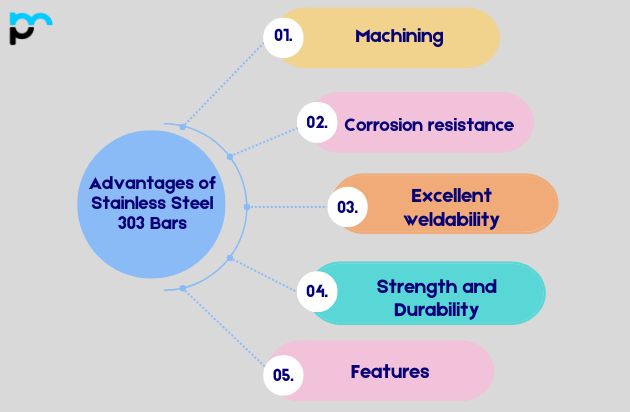
Corrosion resistance: Like other stainless steel products, 303 stainless steel offers strong resistance to corrosion, which makes it a good choice for environments where water or chemical solvents come into contact with it it’s not comforting
Machining:One distinctive characteristic of 303 stainless steel is its outstanding machinability. When compared with other stainless steel grades like 304 or 316, the sulfur it contains makes it simpler to machine. This quality makes it well suited for uses that call for intricate machining or shaping it’s hard to.
Excellent weldability: The stainless steel 303 bar has great weldability, which simplifies both fabrication and assembly. Using standard welding methods, these bars can be joined without the danger of damage or major cracking.
Strength and Durability: While it isn’t as robust as certain other stainless steel alloys, like 304 or 316, 303 stainless steel still delivers sufficient strength and capability for numerous applications, all while retaining its characteristics at high temperatures and offering dependable performance in demanding conditions.
Features: Stainless steel 303 comes in solid frames across a range of shapes, such as round, rectangular, and rectangular frames. This availability allows manufacturers to more easily obtain materials tailored to their particular requirements.
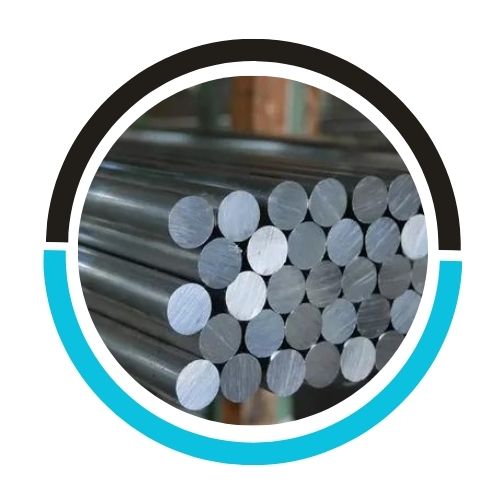
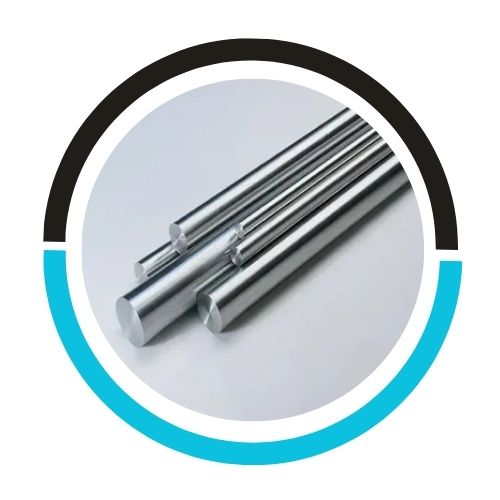
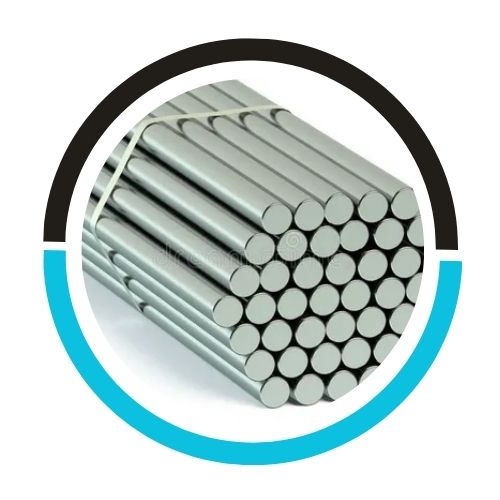
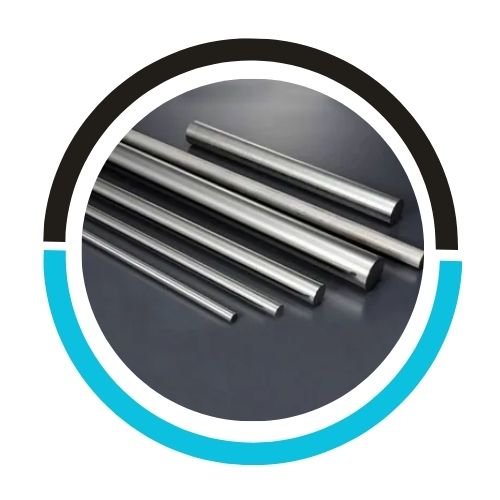
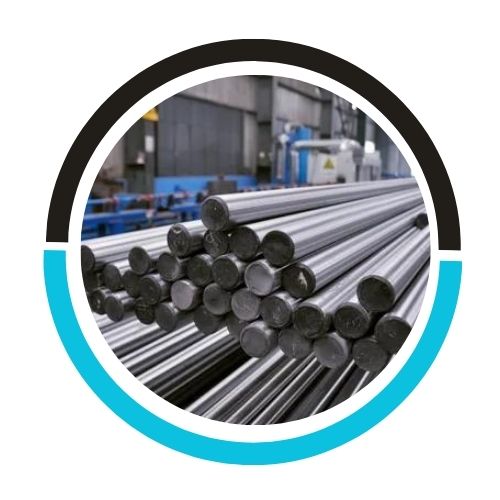
Stainless Steel 303 Bars find uses across a wide range of industries, led chiefly by the aerospace, railway, construction and automotive sectors, along with petrochemical, nuclear, medical, Oil & Gas, Chemical, Pharmaceutical, Food & Beverage, Nuclear, Thermal Power plants, Paper and Pulp, marine and mining, etc.
Mechanical properties: Stainless steel 303 bars work well for machining thanks to their outstanding performance. They can be turned, drilled, bent and bent with ease, which makes them perfect for producing precision items like bolts, nuts, screws and fittings.
Shafts and axles:The corrosion resistance and strength of 303 stainless steel make shafts and axles well suited for use across many types of machinery and equipment. These rods deliver durability and strong performance, particularly in areas where exposure to water or corrosive elements interference is a concern.
Fasteners: Stainless steel is frequently chosen for bolts, nuts and studs because of its 303 bar corrosion resistance and strength characteristics, which are typically preferred in applications that call for regular disassembly and reassembly, such as in the automotive, aerospace and space industries.
Yes,Stainless steel 303 bars can be recycled once they are no longer in use. Stainless steel is highly recyclable and keeps its characteristics even after going through recycling processes. Recycling lowers the demand for raw materials, saves energy, and reduces environmental impact, which makes it a sustainable option for a range of applications.
Stainless steel 303 bars are typically not advised for cryogenic uses because their toughness and ductility drop at low temperatures. Grades such as 304 or 316 are favored for cryogenic settings owing to their improved resistance to brittleness and maintained strength under extremely cold conditions.
Stainless steel 303 bars are not the best choice for underground applications because of their restricted corrosion resistance, especially in settings with elevated chloride levels or acidic conditions. Grades such as 304 or 316 work better for underground use since they provide superior protection against corrosion and environmental factors.
When installing stainless steel 303 bars, take into account aspects such as corrosion resistance, careful handling to avoid surface damage, compatibility with adjacent materials, and following the recommended installation steps. Make certain there is sufficient support and anchoring to bear loads. Observe industry standards and seek advice from experts for the best installation practices.
Email: sales@koasteel.nz