
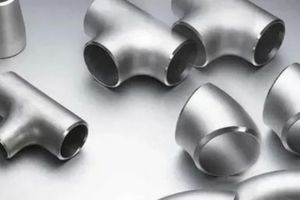
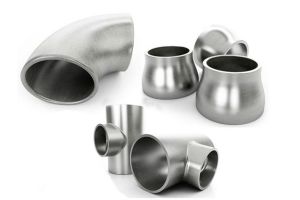
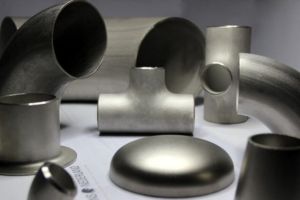
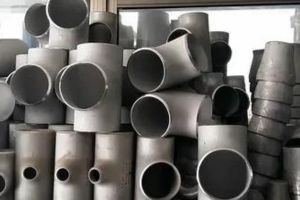
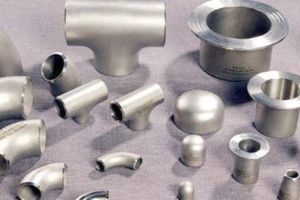
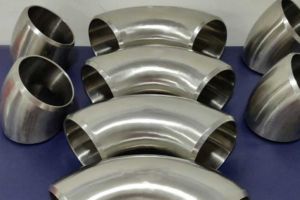
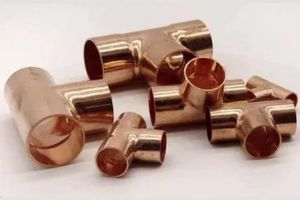
Explore our range of Hastelloy pipe fittings and immerse yourself in a world of unmatched quality. Our collection features a wide-ranging assortment of premium-grade solutions, each carefully crafted to provide outstanding performance across a variety of industrial uses. Take advantage of the flexibility and reliability of our precision-engineered fittings, thoughtfully designed to satisfy the industry’s toughest durability and corrosion resistance standards. As a trusted supplier, we remain dedicated to placing customer satisfaction first. This dedication shows in our range of customizable options, competitive pricing, and quick delivery, guaranteeing that your particular requirements are fulfilled with the greatest efficiency. Whether for construction, manufacturing, or industrial projects, our Hastelloy pipe fittings serve as proof of excellence and innovation, strengthening your projects with dependable solutions and establishing a new benchmark of perfection.
| Specification | Hastelloy |
| Grade | Hastelloy |
| Type | Seamless / Welded / Fabricated |
| Bending Radius | R=1D, 2D, 3D, 5D, 6D, 8D, 10D or Custom |
| Range | ½”NB to 24”NB in Sch 10s, 40s, 80s, 160s, XXS. |
| Dimensions | ANSI/ASME B16.9, B16.28, MSS-SP-43. |
| Element | Density | Melting Point | Tensile Strength | Yield Strength (0.2%Offset) | Elongation |
| Hastelloy Pipe Fittings | 8.69 g/cm3 | 1399 °C (2550 °F) | Psi – 1,00,000 , MPa – 690 | Psi – 45000 , MPa – 310 | 45 % |
| C | Mn | Si | S | Co | Ni | Cr | Fe | Mo | P | |
| Hastelloy Pipe Fittings | 0.010 max | 0.50 max | 0.08 max | 0.02 max | 2.50 max | 50.015 min* | 20.00 – 22.50 | 2.00 – 6.00 | 12.50 – 14.50 | 0.02 max |
At Koasteel, we take pride in being the largest supplier and manufacturer in the New Zealand, delivering innovative solutions for every one of your piping requirements. With advanced production facilities strategically situated in the New Zealand, we maintain a huge inventory of more than 25,000 tons of top-quality materials kept readily in stock.
Reach out to us for a fast quote tailored to your requirement.
We provide these Hastelloy Pipe Fittings in accordance with DIN, ISO, JIS or ANSI Standard.
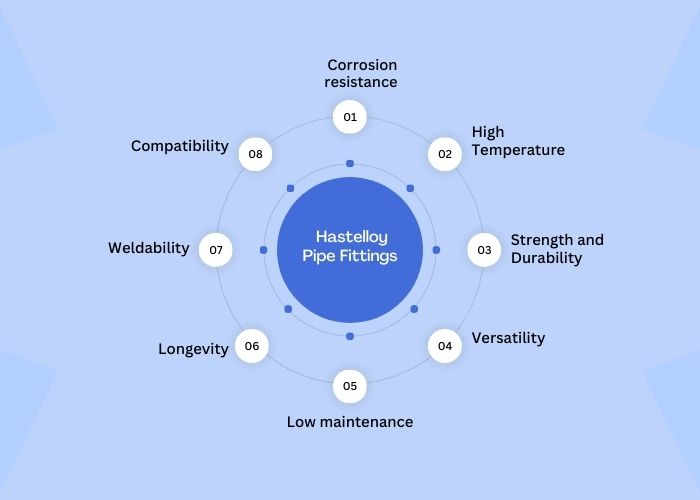
Corrosion resistance: Quick mixes are recognized for their outstanding resistance to corrosion, particularly in extremely corrosive settings that contain acids, chlorides, sulfuric acid, and other aggressive chemicals. This quality makes Hastelloy pipe fittings perfect for industrial heating in fields like chemicals, petrochemicals, pharmaceuticals and waste management.
High Temperature: These adhesives keep their strength and integrity even when exposed to high temperatures, which makes them well suited for high-temperature uses such as furnace interiors, heat exchangers and exhaust systems systematically
Strength and Durability: The immediate alloys offer excellent mechanical characteristics, high tensile and yield strength along with flexibility. This guarantees the dependability and durability of Hastelloy pipe fittings under demanding mechanical conditions.
Versatility: Hastelloy alloys are available in a range of types, each engineered for particular applications and operating conditions. This flexibility permits choosing the most fitting adhesive to satisfy the requirements of a given application, whether that involves high temperature, corrosion resistance, or both.
Low maintenance:Owing to their resistance to wear and corrosion, Hastelloy pipe fittings generally need very little maintenance, cutting down on downtime and maintenance expenses at an industrial scale
Longevity:Even under harsh conditions, the lifespan of Hastelloy alloy is prolonged, extending machine life and lowering how often replacements are needed, which leads to cost savings over time
Weldability:Hastelloy alloys can be joined using standard welding methods, which makes them easy to fabricate and install with Hastelloy pipe fittings
Compatibility :Hastelloy alloys work well with many other common industrial materials, including stainless steel, carbon steel and various polymers, enabling them to be smoothly integrated into existing systems
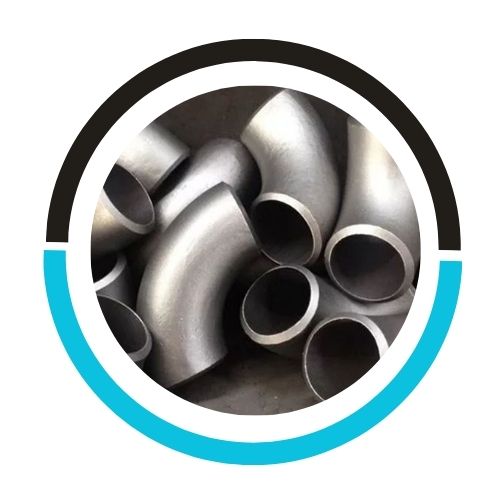
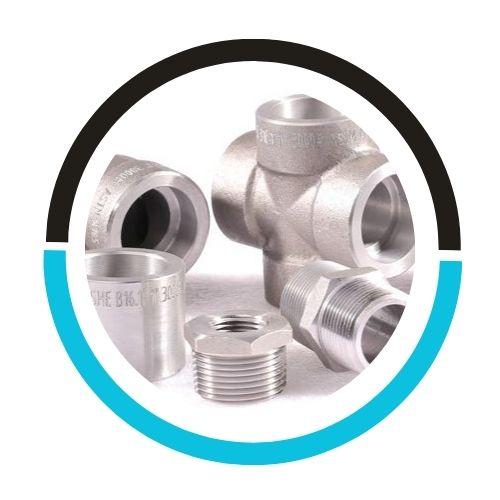
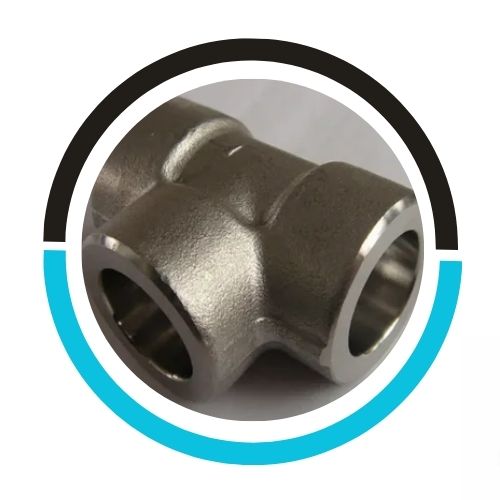
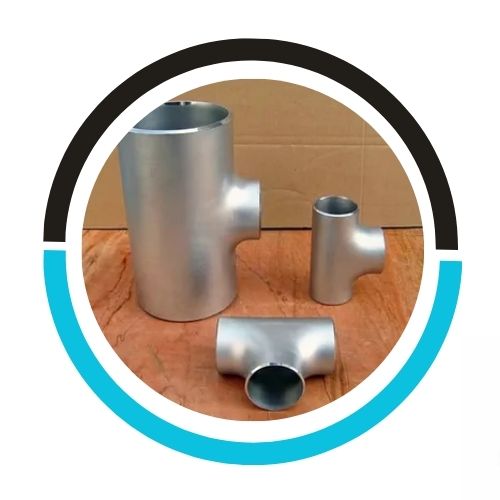
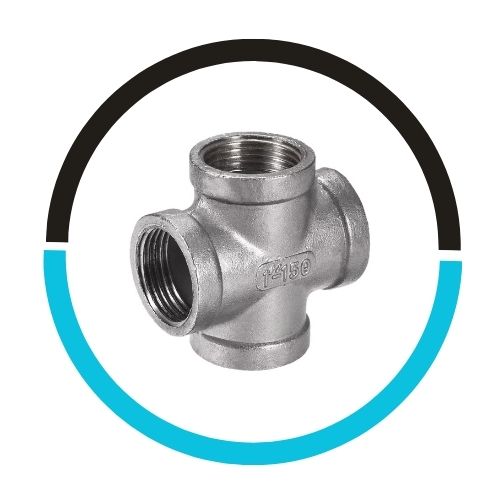
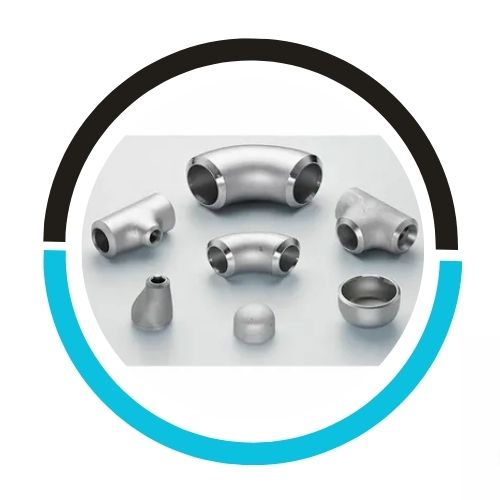
Hastelloy Pipe Fittings serve applications as varied as the industries that use them led chiefly by the aerospace, railway, construction and automotive industries along with petrochemical, nuclear, medical, Oil & Gas, Chemical, Pharmaceutical, Food & Beverage, Nuclear, Thermal Power plants, Paper and Pulp, marine and mining, etc.
Chemical applications: Hastelloy pipe fittings find broad application in the chemical sector for managing corrosive chemicals, acids and alkalis. They serve in reactors, vessels, piping systems and valves wherever protection is needed against corrosion and chemical attack
Petrochemical Industry: Within the petrochemical field, Hastelloy pipe fittings are employed in finishing operations, such as oil and gas extraction, refining, and petrochemical manufacturing. They serve in essential industries like pipelines, heat exchangers, reactors, fractionation towers, etc., where they face severe environmental conditions and corrosion products linked to these products
Pharmaceutical industry: Hastelloy pipe fittings are favoured in the pharmaceutical industry owing to their resistance to corrosion from chemicals used in pharmaceuticals and their ease of cleaning. They serve in pharmaceutical equipment such as reactors, mixers and storage containers.
Power generation: Hastelloy pipe fittings are applied in nuclear, fossfornd renewable energy p, ower plants. It is applied in essential applications such as heat exchangers, boilers and pipelines, where it endures high temperatures, corrosive weather and pressure fluctuations.
Aerospace and Safety: Hastelloy alloys serve in aerospace and defence applications that demand high performance and reliability. It is used in jet engine exhaust systems, rocket motor casings and missile components for its high thermal, strength and corrosion resistance.
Offshore Shipbuilding: Hastelloy pipe fittings serve in seawater desalination plants, offshore drilling rigs and seawater disposal sites within the offshore shipyard industry where the impact from salt water and harsh marine environments. They withstand
Environmental and Waste Management: Hastelloy pipe fittings serve in environmental industrial waste treatment plants for managing corrosive chemicals, wastewater and hazardous materials. Use it in scrubbers, tanks, piping systems, and other equipment that requires corrosion resistance and durability.
Food and Beverage Industry: In the food and beverage industry, Hastelloy pipe filters are employed in areas where corrosion resistance and hygiene are vital, such as dairies, wineries and beverage bottling plants
Identify application requirements:Familiarize yourself with the usual operating parameters, such as temperature, pressure, corrosive surroundings, and water properties (like acidity or alkalinity) Knowing this will assist in determining Hastelloy products of the suitable quantity and specification needed for pipe installation.
Check compatibility:Confirm that the chosen Hastelloy compound works well with the liquid or chemical being sprayed. Quick alloys come in grades tailored to particular corrosive environments. Consult product specialists or review meeting schedules to verify suitability.
Consider operating temperatures and pressures:Pick Hastelloy pipe fittings capable of handling the operating temperature and pressure conditions of your application. Opt for fittings with the proper pressure level and temperature to guarantee reliability and safety.
Select fitting type and configuration:Identify the kind of Hastelloy pipe fittings needed for your application, including elbows, tees, reducers, couplings, and flanges. When picking fitting configurations, take into account factors like flow requirements, space limitations, and piping layouts.
Size and Dimensional Requirements: Choose Hastelloy pipe fittings in sizes and dimensions that align with the specifications of your piping system. Verify compatibility with existing pipe sections and account for nominal pipe size (NPS), outside diameter (OD), and wall thickness.
Check end connections: Take into account the end connections of Hastelloy pipe fittings, like welded, threaded, or flanged ends, based on installation needs and compatibility with other pipe components. Guarantee proper sealing and connection integrity to avoid leakage or failure.
Review tooling and installation requirements: Examine requirements for fabricating and installing Hastelloy pipe fittings, including welding methods, machinery, and assembly techniques. Pick fixtures that match standard construction specifications and installation practices.
Standard Compliance: Make sure the Hastelloy pipe fittings you select comply with applicable industry standards and specifications, like ASTM, ASME, ANSI, and DIN standards. Verify the quality, functionality and certification of the fittings from trusted manufacturers.
Yes,Hastelloy pipe fittings are weldable through a range of welding processes, including Gas Tungsten Arc Welding (GTAW), Gas Metal Arc Welding (GMAW), Shielded Metal Arc Welding (SMAW), Submerged Arc Welding (SAW), and Plasma Arc Welding (PAW). These techniques enable Hastelloy pipe fittings to be connected to other suitable materials or components, offering versatility during fabrication and installation while preserving the alloy’s corrosion resistance and mechanical characteristics. Correct welding practices and appropriate filler metal choice are crucial to achieve sound welds and maintain the integrity of the fittings.
Yes, some grades of Hastelloy alloys, like Hastelloy C-276, demonstrate good cryogenic properties and are suitable for low-temperature uses, such as cryogenic storage tanks and equipment. That said, it’s important to confirm that the particular alloy is appropriate for the planned cryogenic service.
Yes, Hastelloy pipe fittings generally cost more than fittings made from conventional materials such as stainless steel or carbon steel, owing to the elevated price of raw materials and the intricate production methods required to manufacture corrosion-resistant alloys.
Yes, Hastelloy pipe fittings are suitable for underground applications, as long as appropriate precautions are observed. Because Hastelloy alloys resist corrosion, they work well in underground settings where the surrounding soil may be corrosive. Choosing the right grade of Hastelloy, applying protective steps like coatings or cathodic protection, using correct installation methods, and performing routine inspection and maintenance are all necessary to guarantee that Hastelloy pipe fittings remain reliable and durable in underground installations.
Email: sales@koasteel.nz