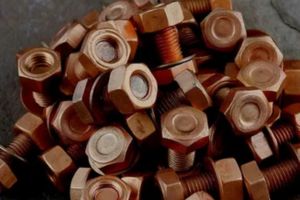
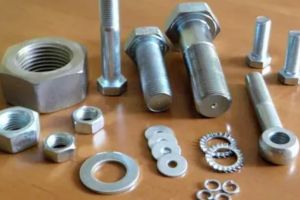
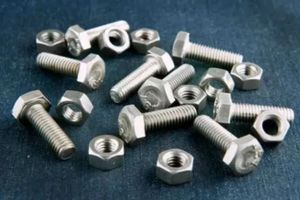
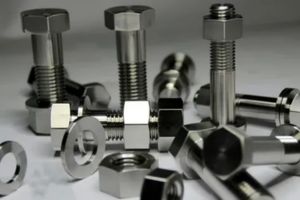
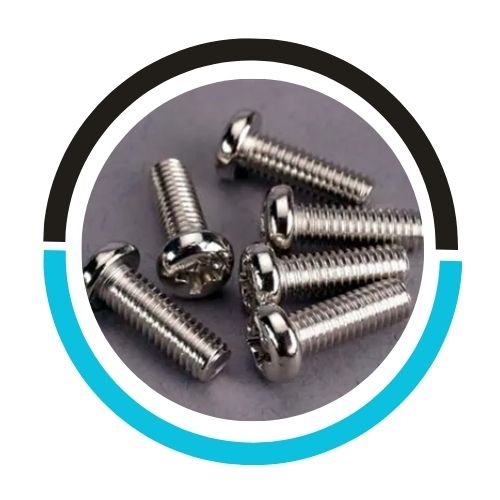
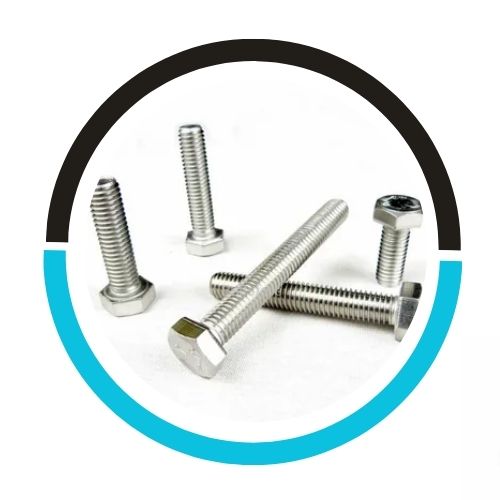
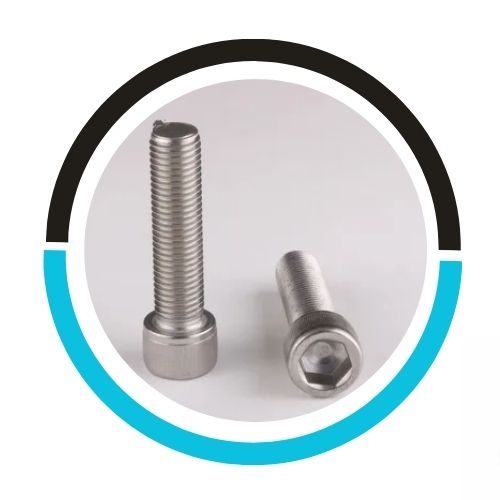
1.4980 Bolts Manufacturer Supplier & Exporter in Auckland, New Zealand
1.4980 SS Bolt in Christchurch, SS ASTM 1.4980 Stud Bolts, 1.4980 SS Shoulder Bolt, BS DIN EN 10269 Bolts in Auckland, New Zealand.
Table of Contents
1.4980 Boltis linked to outstanding strength and corrosion resistance, engineered to satisfy the strict demands of industrial applications. These bolts perform exceptionally in situations calling for high-stress reliability and resistance to wear and tear, delivering secure fastening and a long service life. As the top manufacturer and supplier in Auckland, the New Zealand, Koasteel provides dependable 1.4980 bolts, a sturdy solution that upholds quality and durability across a wide range of applications
SS ASTM 1.4980 Bolts in Christchurch, BS DIN EN 10269 Bolts, Stainless Steel 1.4980 Anchor Bolts, SS 1.4980 Bolts in Christchurch, New Zealand.
Top 1.4980 Bolts Manufacturing Company in Auckland
At Koasteel, we take pride in being the largest supplier and manufacturer in the New Zealand, delivering advanced solutions for every one of your piping requirements. With cutting-edge manufacturing facilities strategically situated in the New Zealand, we maintain an extensive stock of more than 25,000 tons of top-quality materials kept readily on hand.
Reach out to us for a fast quote tailored to your requirement.
We supply These 1.4980 Bolts conforming to DIN, ISO, JIS or ANSI Standard.
1.4980 Stainless Steel Tie Rods, ASTM A453 Stainless Steel Fasteners in Christchurch, Stainless Steel 1.4980 Bolts in Auckland, New Zealand
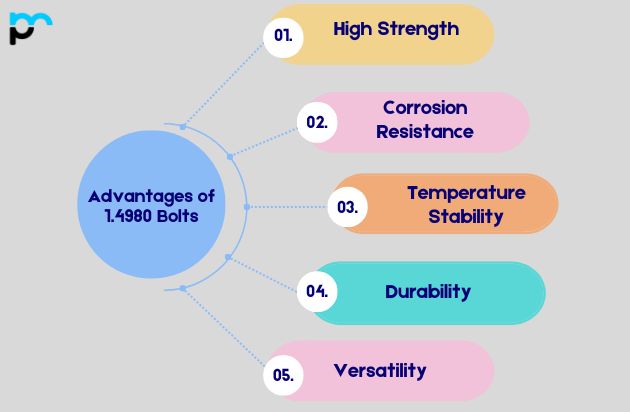
Advantages of 1.4980 Bolts
High Strength: 1.4980 bolts deliver outstanding mechanical strength, making them perfect for heavy-duty uses that demand strong, secure fastening.
Corrosion Resistance: These bolts provide superb protection against oxidation and pitting, guaranteeing durable performance even in severe conditions.
Temperature Stability: 1.4980 bolts retain their structural integrity and mechanical characteristics under high heat, making them fit for challenging uses.
Durability: Recognized for their dependability, these bolts deliver steady performance in extreme situations, offering trustworthy fastening solutions.
Versatility: 1.4980 bolts are highly adaptable, fitting a range of sectors such as aerospace, automotive, and marine, delivering safe and long-lasting fastening across diverse applications.
Types of 1.4980 Bolts
SS ASTM 1.4980 Bolts
1.4980 tie rod
ASTM A453/A453M 660 Stainless Steel Bolt
BS DIN EN 10269 Bolts
1.4980 SS tie bar
1.4980 Eye Bolt
Stainless Steel UNS S66286 Bolts in Christchurch, Stainless Steel 1.4980 Anchor Bolt Manufacturer and Stockist in Christchurch, New Zealand.
Application Industry
1.4980 Bolts serve applications as varied as the industries they cover, led chiefly by the aerospace, railway, construction and automotive sectors along with petrochemical, nuclear, medical, Oil & Gas, Chemical, Pharmaceutical, Food & Beverage, Nuclear, Thermal Power plants, Paper and Pulp, marine and mining, etc.
Automotive Industry
Construction Sector
Aerospace Applications
Oil and Gas Industry
Are 1.4980 Bolts Susceptible to galvanic corrosion?
1.4980 bolts typically hold up well against galvanic corrosion when paired with compatible materials. That said, they may become vulnerable when they come into contact with dissimilar metals in corrosive settings. Choosing the right materials and providing insulation are essential to reduce this risk and secure lasting performance.